
Digital PrivacyA shared laptop, tablet, or household computer can expose more than a browsing history. Learn how profiles, syncing, notifications, saved credentials, downloads, and app permissions interact—and what to check before handing a device to someone else.
Read article · 4 min↗

Digital PrivacyA message can be private while details about its delivery remain visible. Learn what metadata is, where it appears in messages, photos and files, and how to check what you share.
Read article · 4 min↗

Digital PrivacyData brokers may collect and publish details such as addresses, phone numbers and relatives’ names. Learn how to locate listings, submit removal requests with less unnecessary disclosure, and check whether your information reappears.
Read article · 4 min↗

Digital PrivacyFirst-party and third-party data describe different relationships between a website, its visitors, and other organizations. Learn how collection methods, embedded services, and onward sharing affect privacy—and what a small team can check before adding another tool.
Read article · 4 min↗
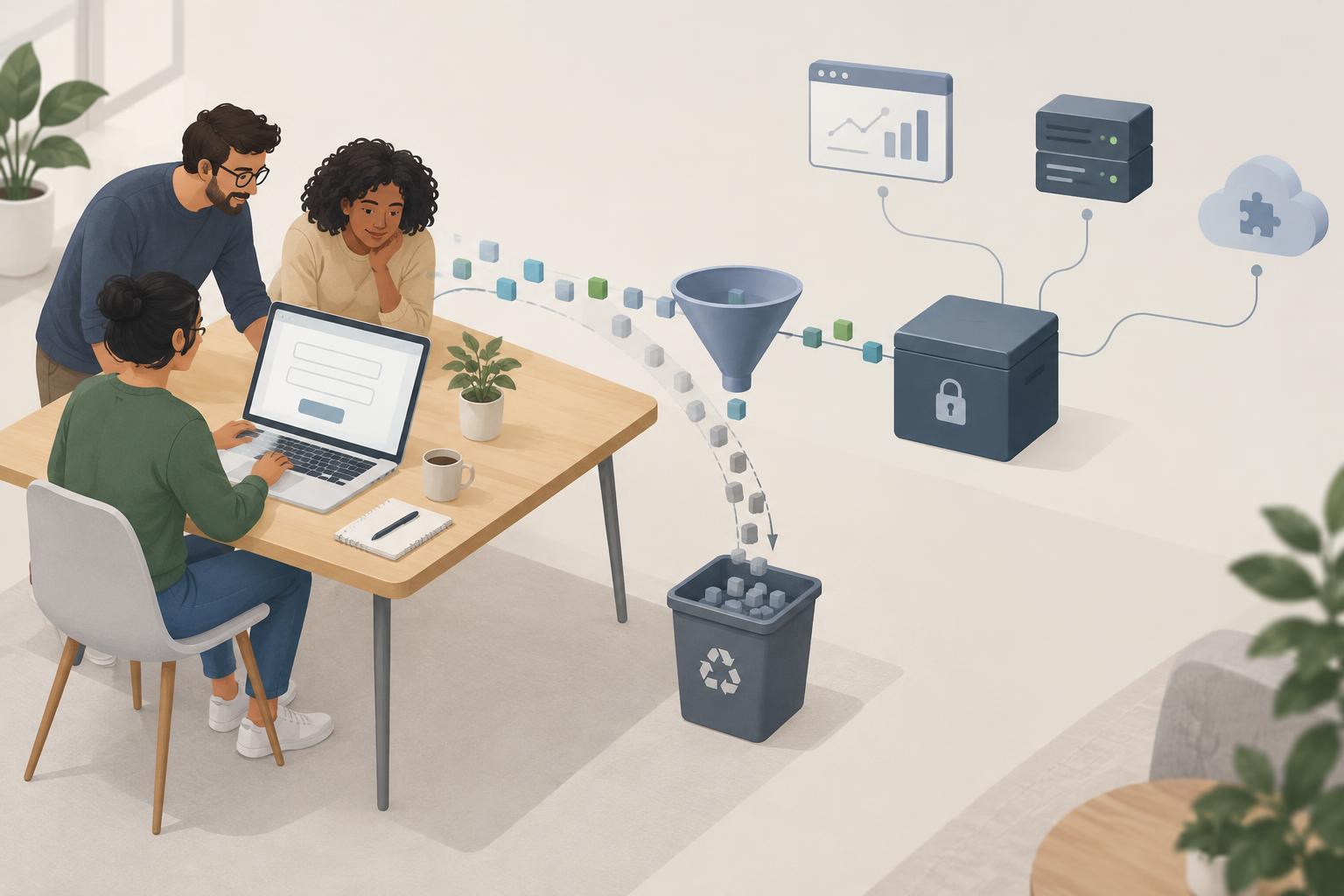
Digital PrivacyA small team can reduce privacy risk and operational clutter by asking what each piece of personal data is for, collecting the least detail that serves that purpose, and deciding when to delete it. This guide shows how to apply data minimization to forms, analytics, logs and third-party tools.
Read article · 4 min↗

Digital PrivacyA consent banner is more than a notice about cookies. Learn what tracking choices mean, how a visitor’s selection affects website technology, and how small teams can check that their banner behaves as expected.
Read article · 4 min↗
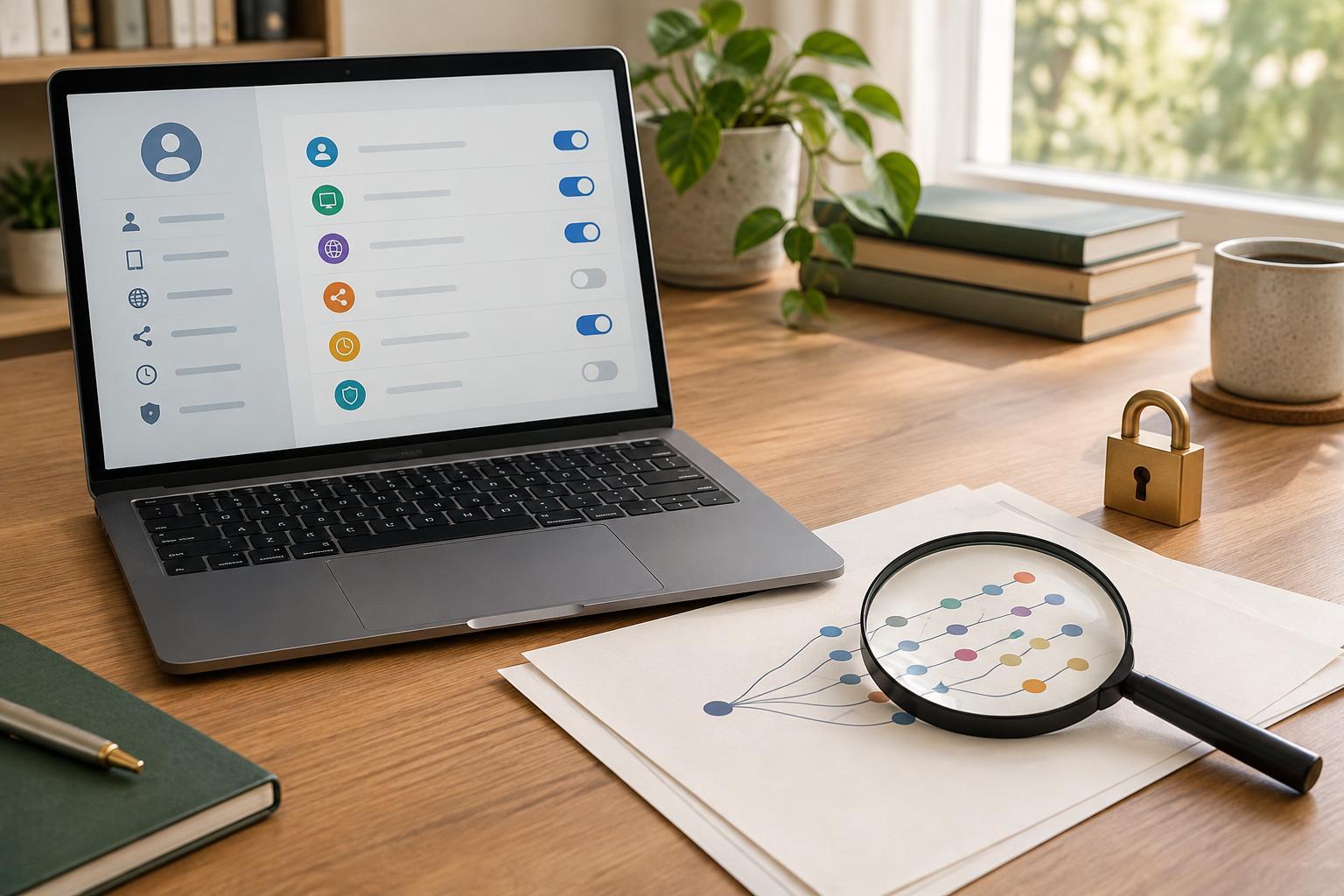
Digital PrivacyA privacy policy can be easier to understand when you read it as a map of data flows. Learn what to look for in its descriptions of collection, use, sharing, retention and your available controls.
Read article · 4 min↗

Digital PrivacyAn email alias gives a service an address that is different from your primary inbox address. Learn how aliases work, where they help, what they cannot protect, and how to organize them without losing access to important accounts.
Read article · 4 min↗

Digital PrivacyTwo-factor authentication can make account takeovers harder, but each method exposes different information and creates different recovery challenges. Compare text messages, authenticator apps, push prompts and security keys to choose an approach that fits your accounts.
Read article · 4 min↗

Digital PrivacyA password manager makes it practical to give every account a different password. Learn how vaults work, how to choose a strong master password, and how to set up recovery and safer sign-ins.
Read article · 4 min↗

Digital PrivacyA mobile advertising ID can help advertising systems recognize the same device in different apps. Learn how apps and embedded software share these identifiers, what they can reveal, and where mobile privacy controls help.
Read article · 4 min↗

Digital PrivacyYour phone can reveal where you are through app permissions, location history and the metadata attached to photos. Learn how these paths differ and how to manage them without giving up every location-based feature.
Read article · 4 min↗
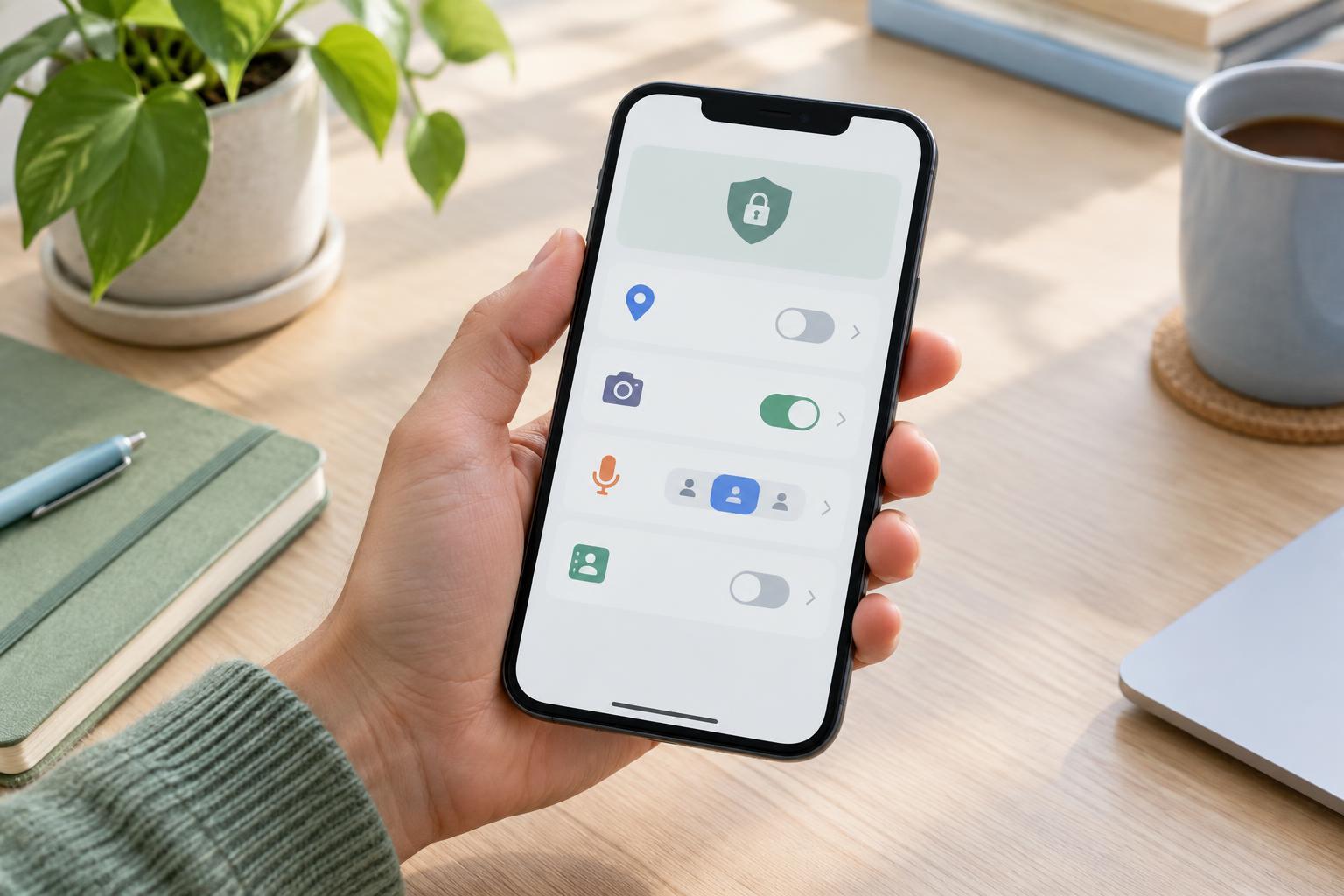
Digital PrivacyMobile app permissions control access to information and device features such as location, photos, the microphone and contacts. Learn how to audit what apps can use, choose narrower access where available and check whether an app still works after a change.
Read article · 4 min↗
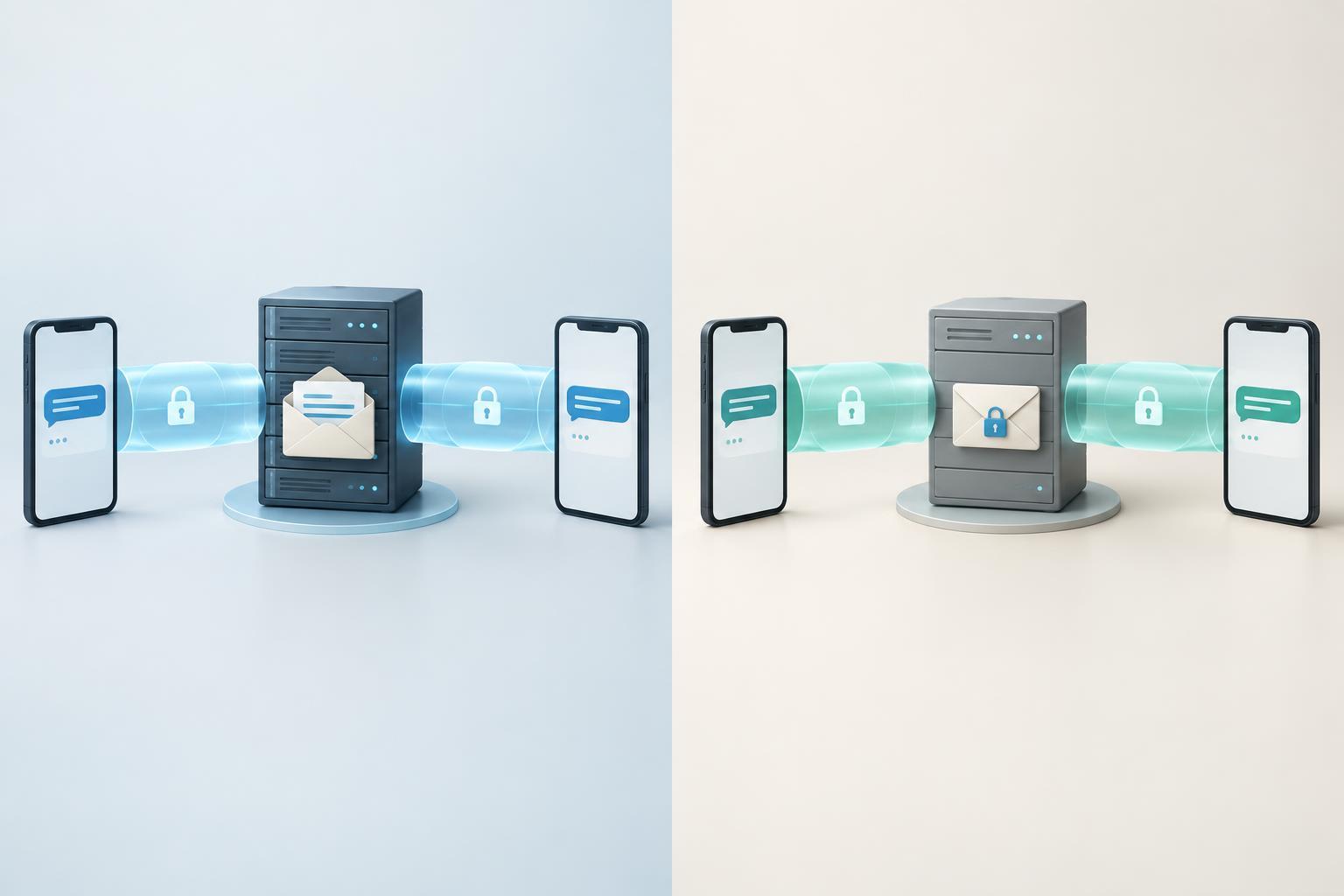
Digital PrivacyBoth transport encryption and end-to-end encryption protect messages in transit, but they place trust in different parts of a messaging system. Learn what each approach protects, where a provider can see message contents, and which settings deserve a closer look.
Read article · 4 min↗

Digital PrivacyHTTPS protects the contents of your connection, but it does not hide every clue about where you browse. Learn what a local network, DNS resolver, internet provider, VPN and website can each see—and what encrypted DNS changes.
Read article · 4 min↗
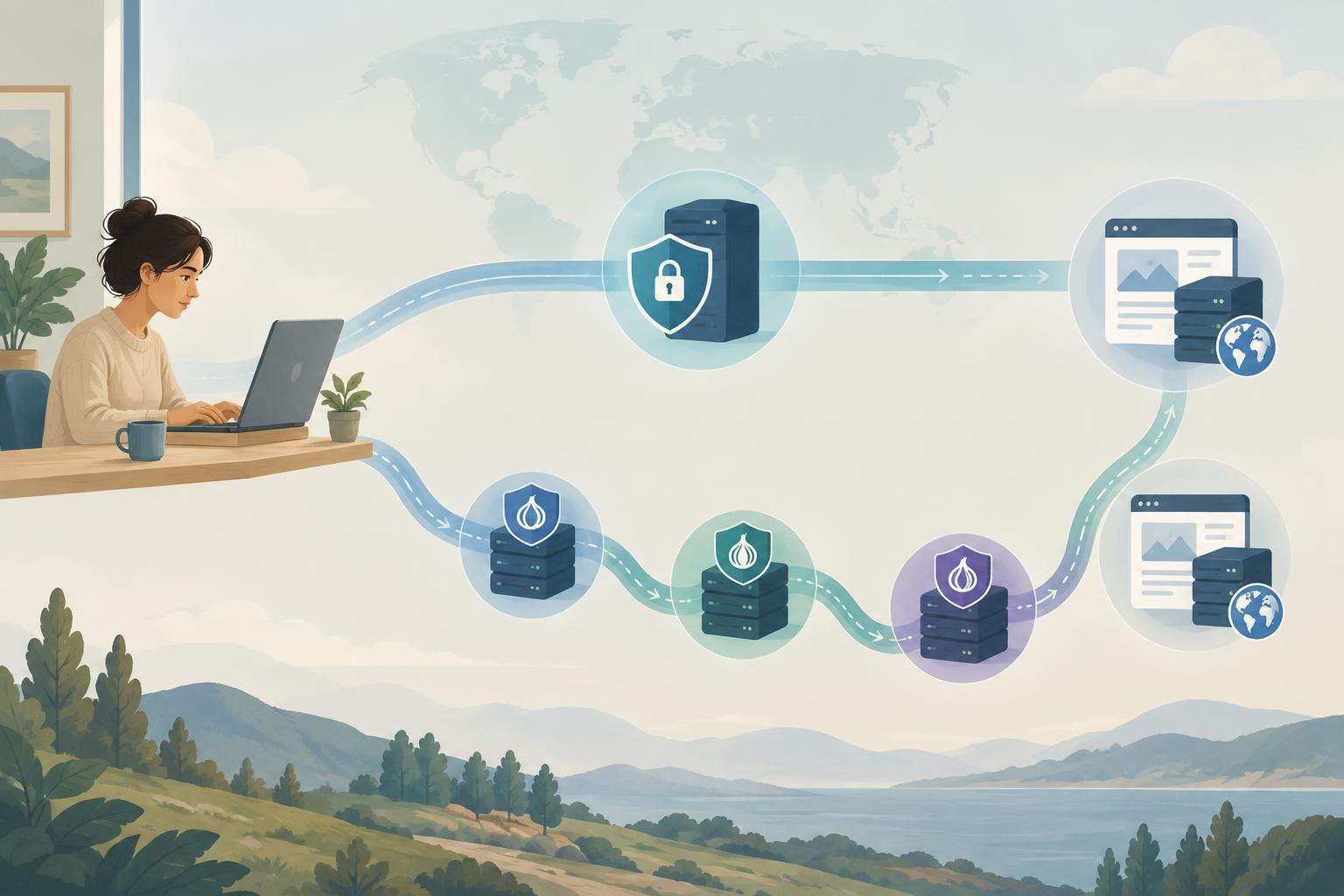
Digital PrivacyVPNs and Tor can both obscure your IP address from a website, but they work differently and require different kinds of trust. Learn what each tool can and cannot protect, and how to choose based on your privacy goal.
Read article · 4 min↗

Digital PrivacyPrivate browsing limits what a browser saves on your device after a session. It does not make you anonymous online. Learn what happens to history, cookies, downloads, network visibility and account activity—and when another privacy tool may be more useful.
Read article · 4 min↗

Digital PrivacyBlocking cookies does not necessarily stop a website from recognizing a returning browser. Learn how browser fingerprinting combines device and browser characteristics, why the resulting identifier is imperfect, and which practical steps can reduce tracking.
Read article · 4 min↗
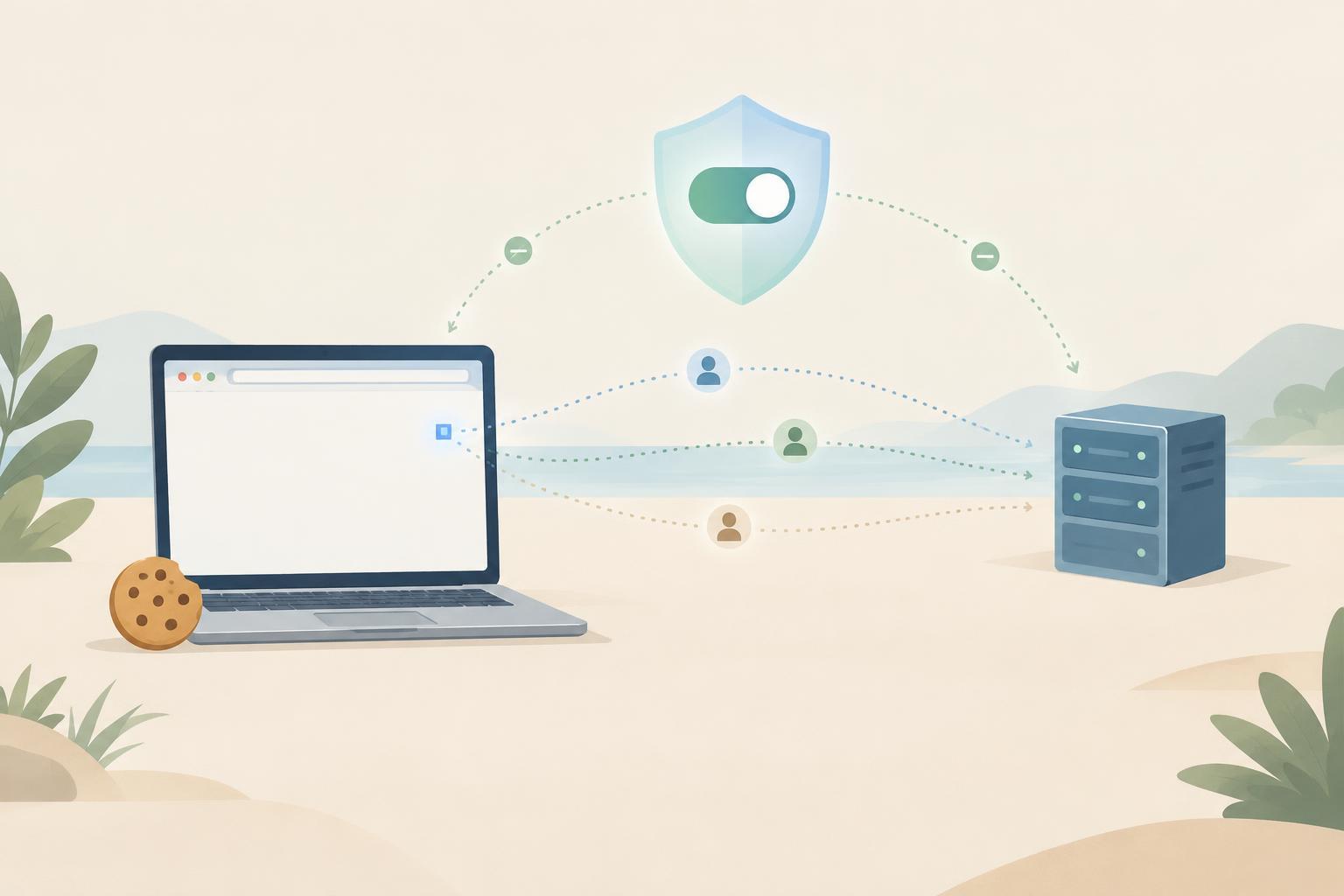
Digital PrivacyCookies and tracking pixels are small pieces of a larger system for recognizing visits and measuring activity. Learn what each one does, how information moves between a browser and a server, and which privacy controls can limit tracking.
Read article · 4 min↗

Digital PrivacyPersonal data is more than a name or email address. Learn how identifiers, device records, location details and combinations of ordinary-looking facts can point to a person—and how small teams can handle that information thoughtfully.
Read article · 4 min↗