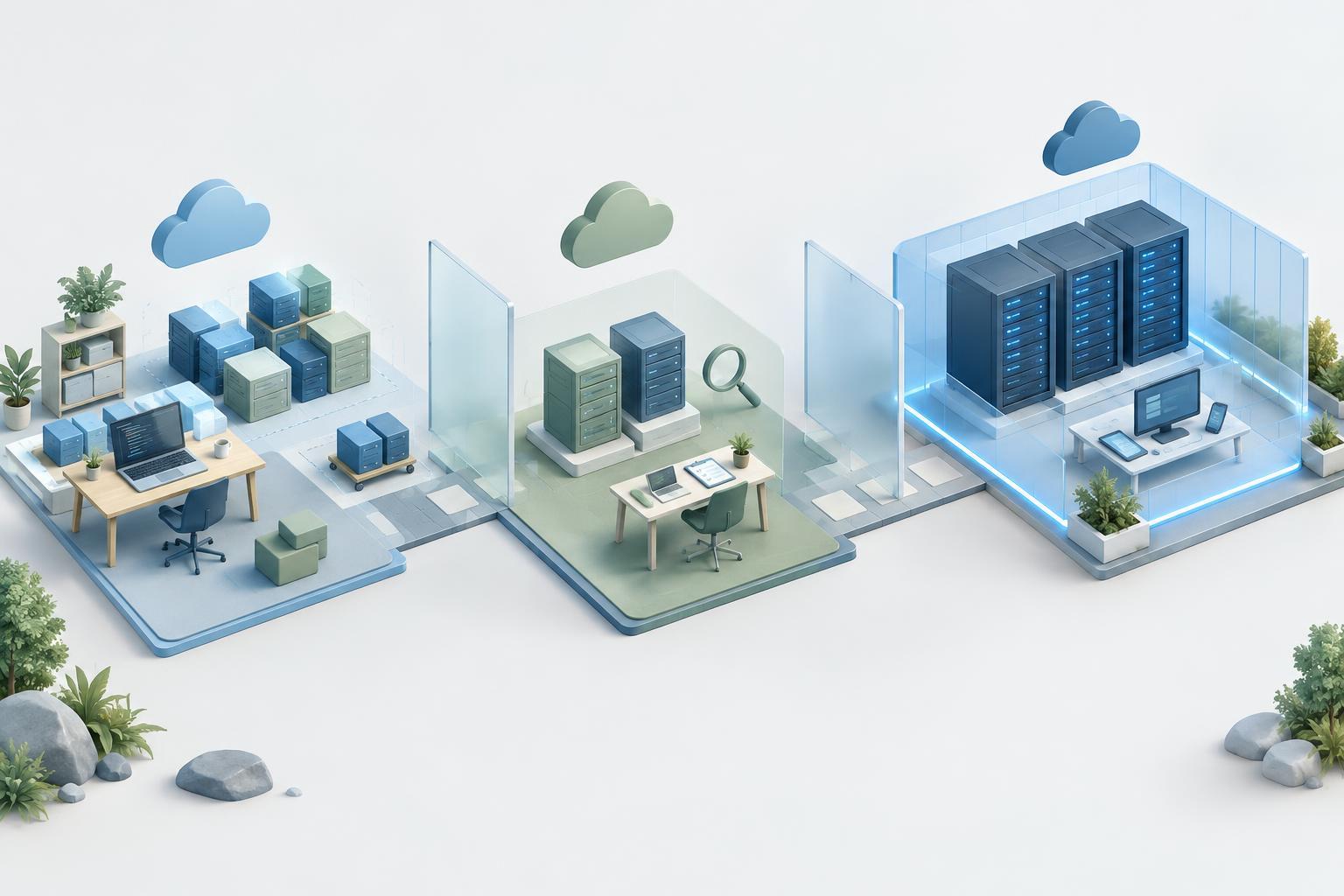
Cloud FundamentalsDevelopment, staging and production environments give a small team places to build, test and run an application without treating every change as a live experiment. Learn what each environment needs, where isolation matters and how to keep them manageable.
Read article · 4 min↗

Cloud FundamentalsA cloud migration is easier to manage when a small team makes its dependencies, costs, security needs and rollback plans visible before moving anything. Use this checklist to plan a modest first migration, test it carefully and prepare for day-to-day operations.
Read article · 4 min↗
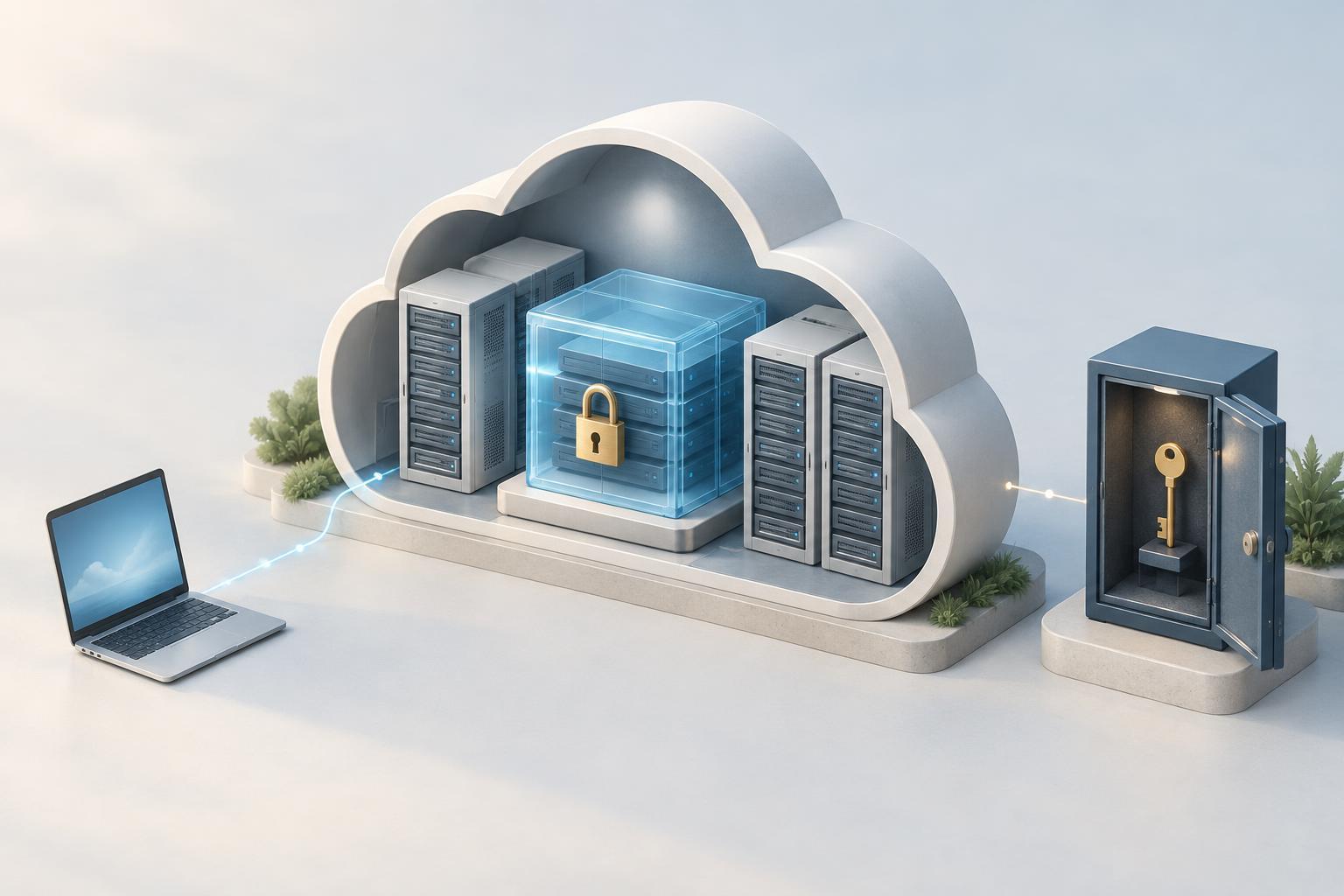
Cloud FundamentalsCloud encryption protects data by making it unreadable without the right key. Learn what encryption at rest and in transit cover, how cloud key management works, and which practical choices matter most for a small team.
Read article · 4 min↗

Cloud FundamentalsCloud monitoring is more than a dashboard of CPU charts. Learn what metrics and logs reveal, how to connect them, and how to create alerts that help a small team respond to real problems.
Read article · 4 min↗
Cloud FundamentalsCloud backups help you restore lost data. Disaster recovery helps you restore a working service. Learn how recovery targets, dependencies, backup design and practice exercises fit into a practical failure plan.
Read article · 5 min↗
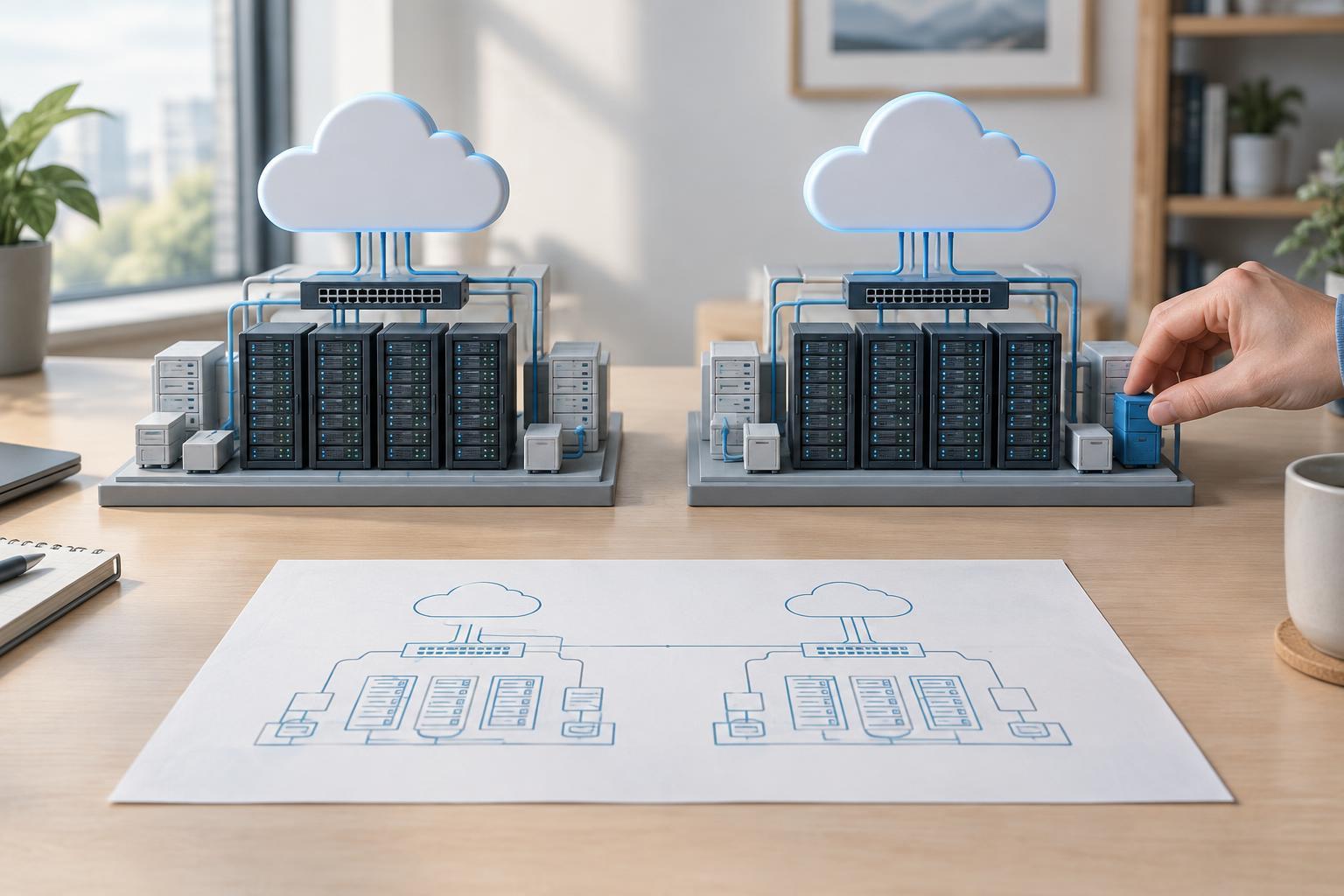
Cloud FundamentalsInfrastructure as Code turns cloud setup into reviewed, repeatable configuration. Learn what it takes to reproduce an environment, why identical files may not produce identical results, and how small teams can manage changes safely.
Read article · 4 min↗
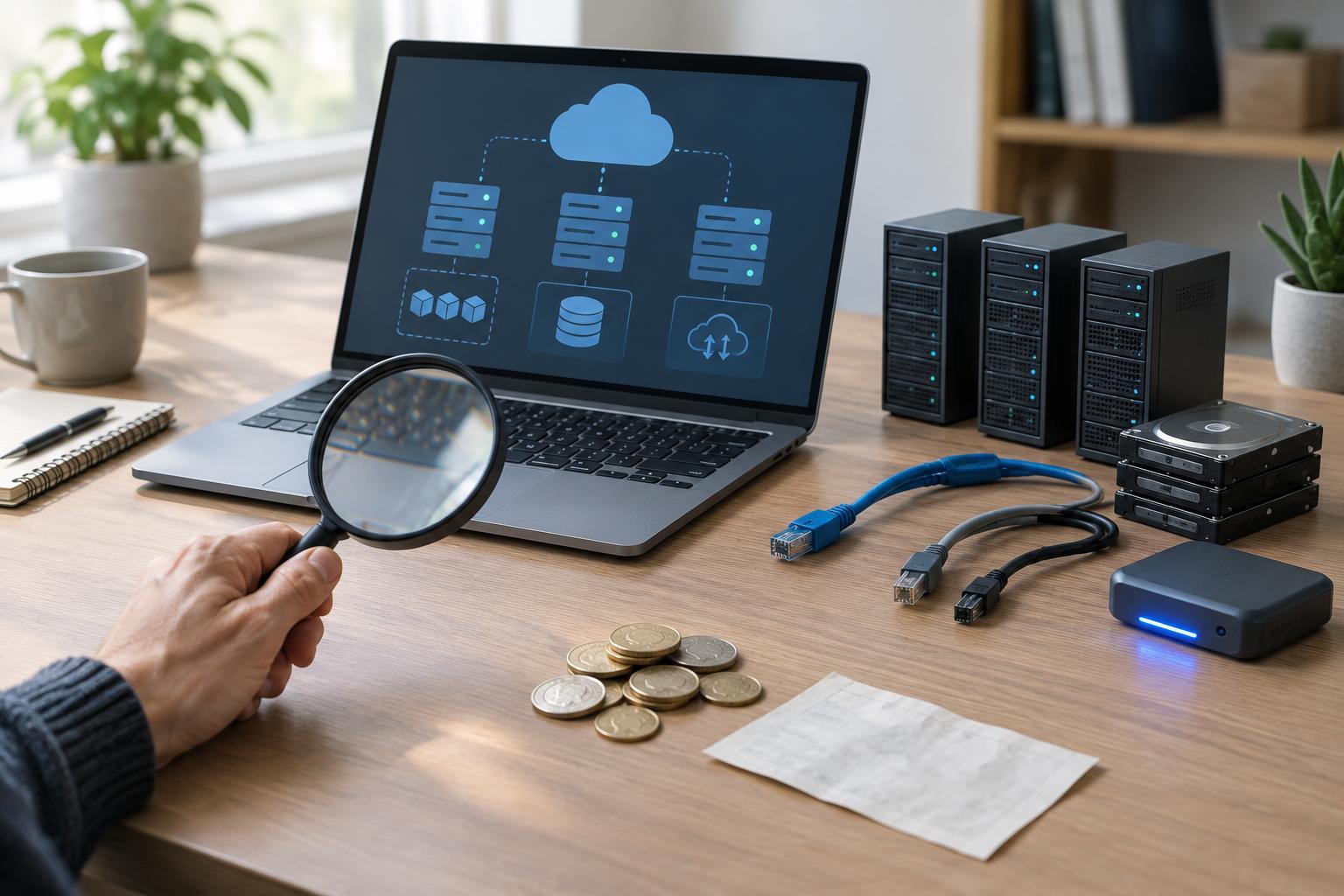
Cloud FundamentalsCloud bills can be surprising even when each resource seems inexpensive. Learn how to spot common cost mistakes involving idle resources, storage, data transfer, pricing commitments and weak visibility—and how to build a simple review routine.
Read article · 3 min↗

Cloud FundamentalsA cloud cost estimate starts with a workload model, not a price list. Learn how to map an application to billable resources, turn expected activity into usage estimates, account for often-missed charges, and check the estimate after launch.
Read article · 3 min↗

Cloud FundamentalsAutoscaling works best when its rules reflect how an application handles traffic, how long new capacity takes to become ready, and what happens when demand falls. Learn how to choose signals, set limits, and test scale-out and scale-in behavior.
Read article · 4 min↗
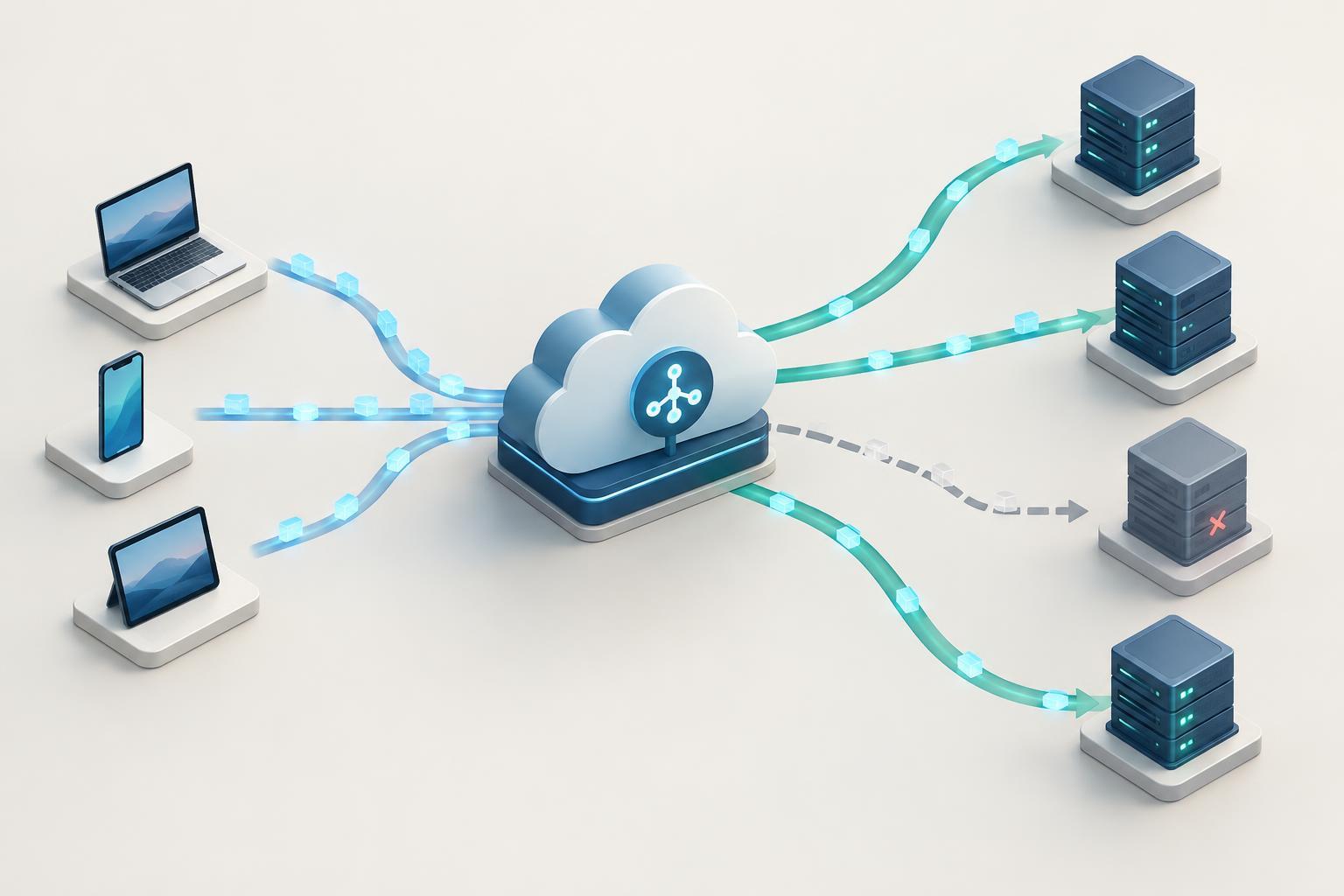
Cloud FundamentalsA cloud load balancer gives clients one place to send requests while distributing work across multiple application instances. Learn how routing decisions, health checks, connection handling and session settings affect the path each request takes.
Read article · 5 min↗
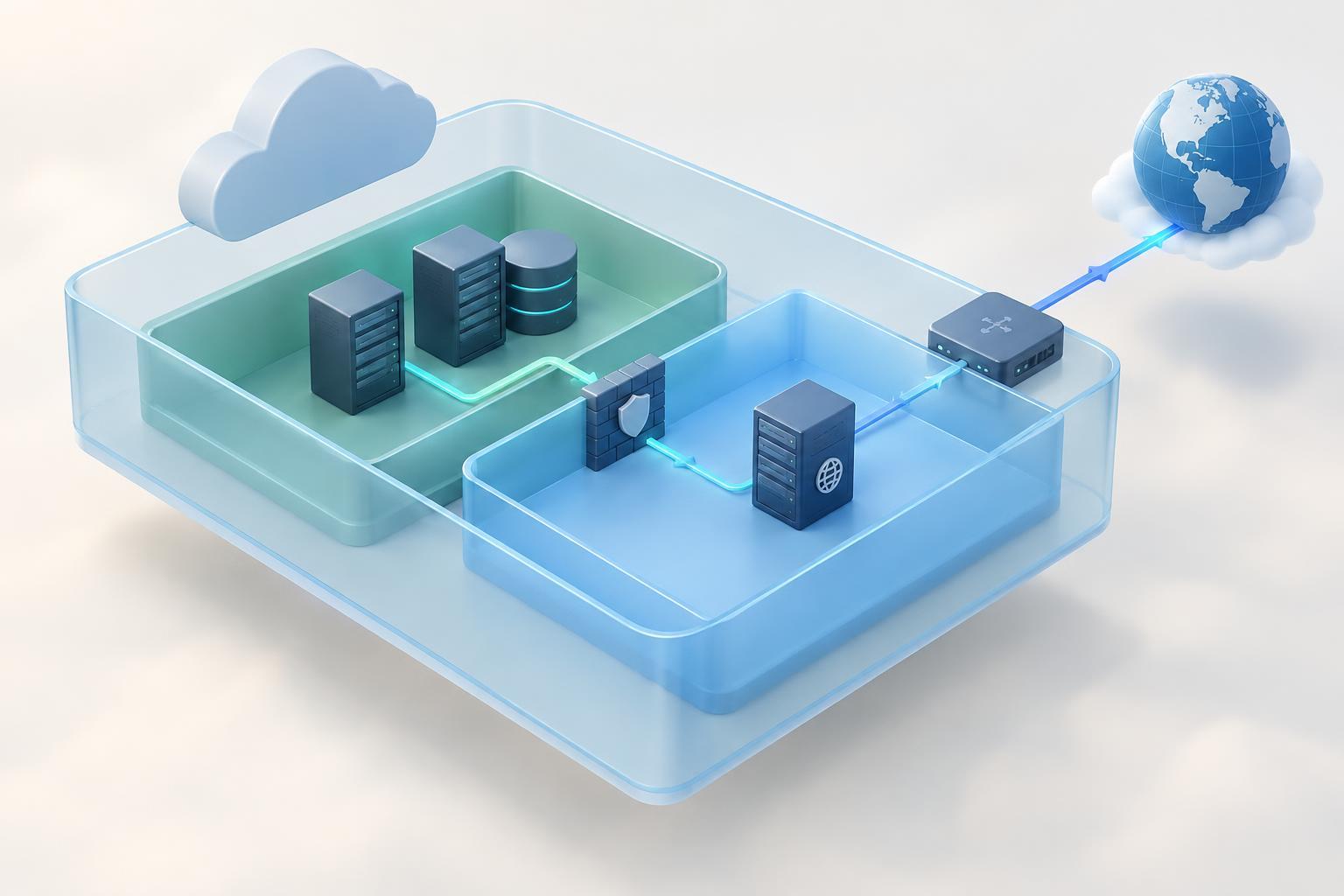
Cloud FundamentalsA virtual private cloud gives your resources a defined network space in a cloud platform. Learn how subnets divide that space, what makes a subnet public or private, and how routing and security rules work together.
Read article · 4 min↗
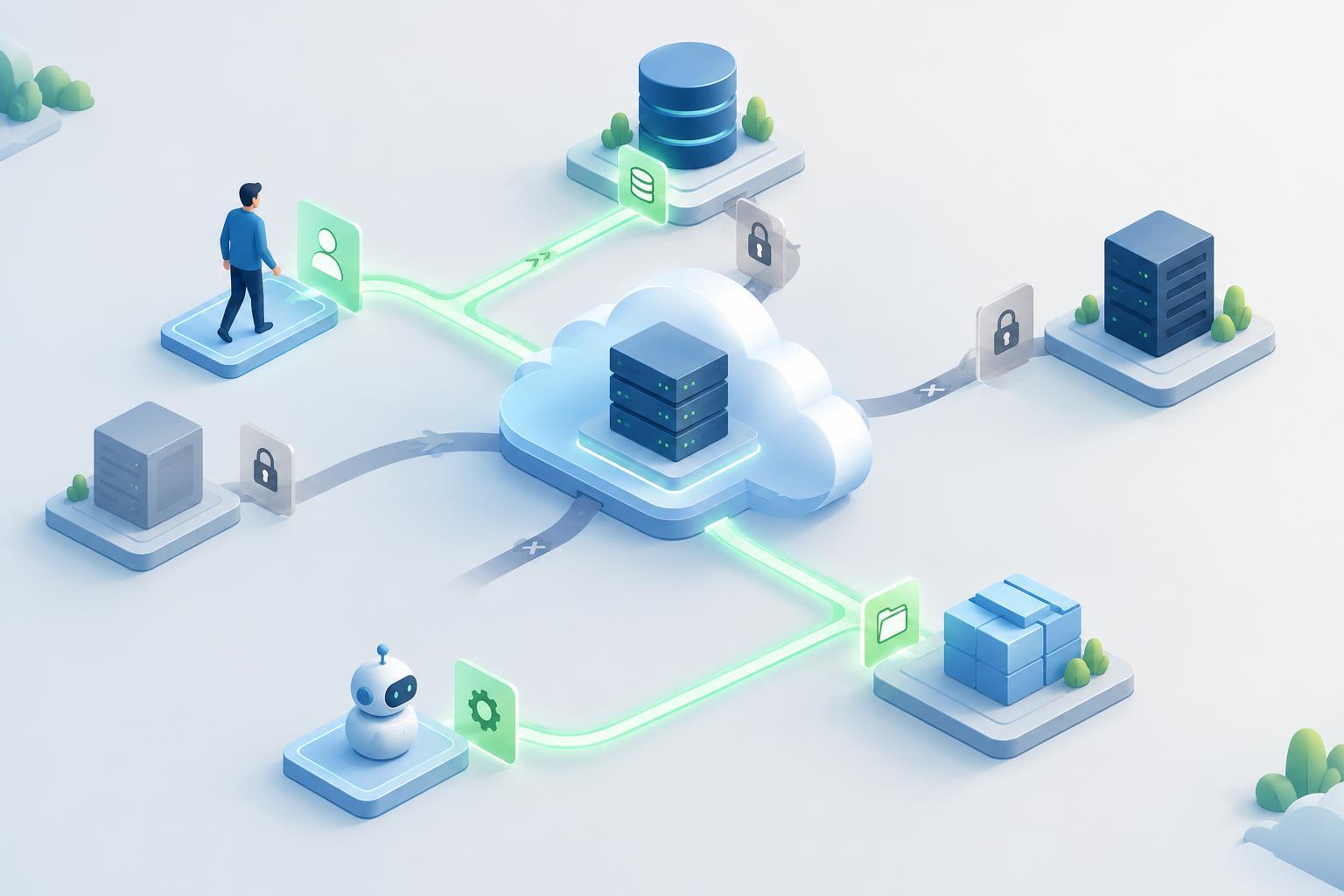
Cloud FundamentalsCloud identity and access management controls who or what can use a cloud resource and which actions they can take. Learn how users, roles and policies fit together, then follow a practical approach to granting only the access a task requires.
Read article · 4 min↗

Cloud FundamentalsCloud storage is not one interchangeable service. Learn how object, block and file storage organize data, how applications access each type, and which questions help a small team choose a practical fit.
Read article · 4 min↗
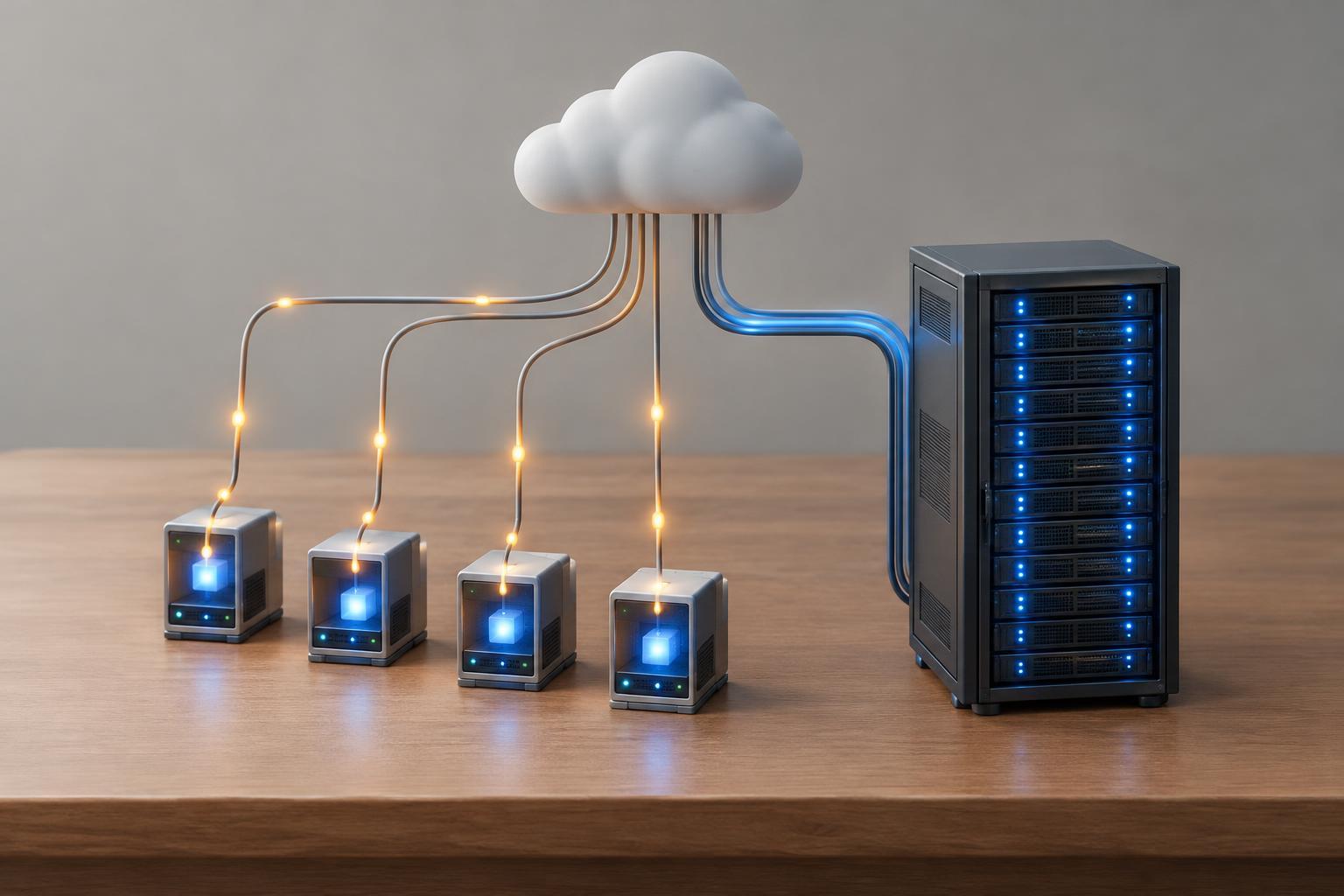
Cloud FundamentalsServerless functions can simplify small, event-driven workloads, but they are not a default replacement for servers. Learn how to weigh traffic patterns, execution limits, cost, and operational needs before choosing them.
Read article · 4 min↗
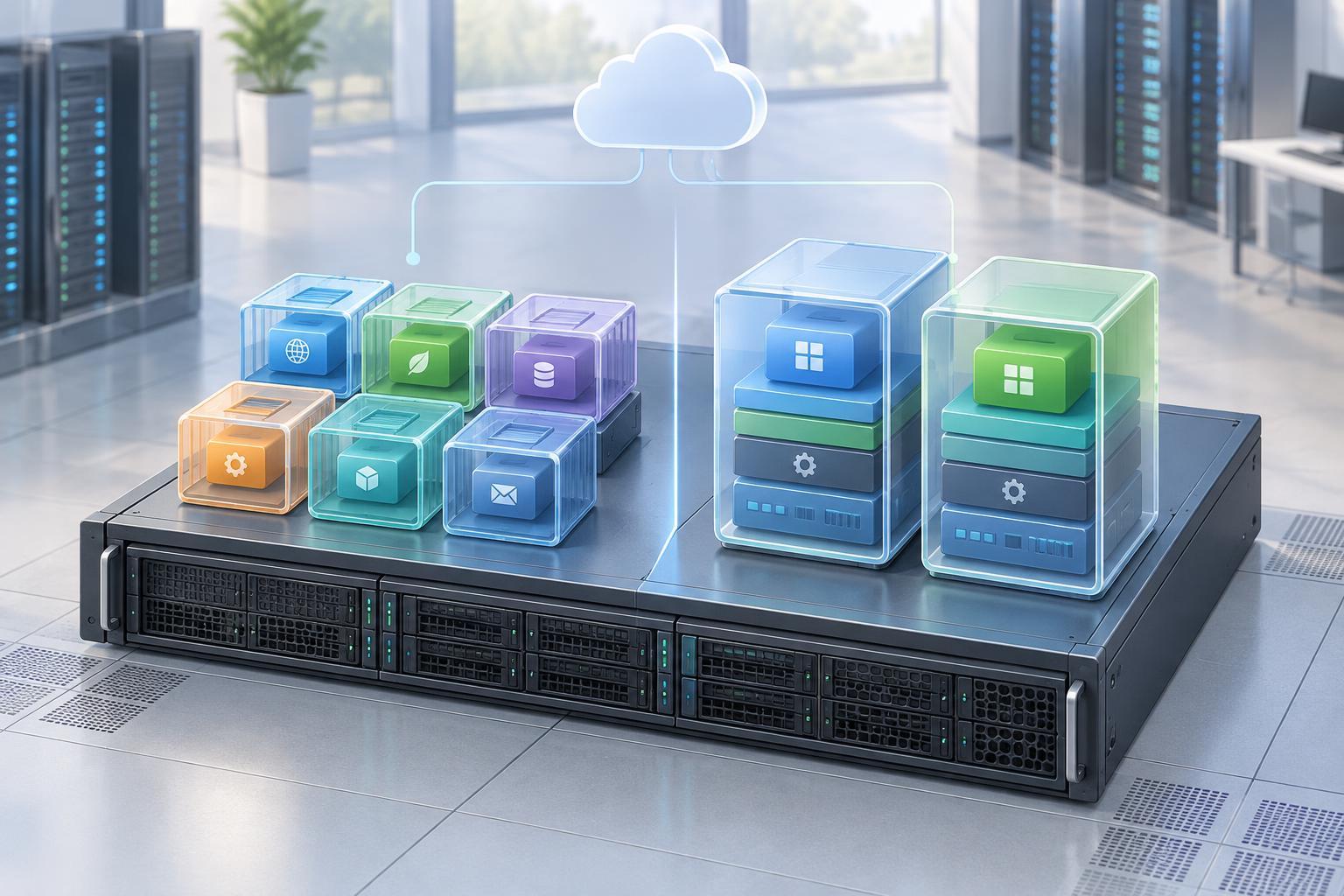
Cloud FundamentalsContainers and virtual machines both package workloads for cloud deployment, but they draw different boundaries around an application. Learn how each works, what the trade-offs mean for small teams, and how to choose a practical starting point.
Read article · 4 min↗
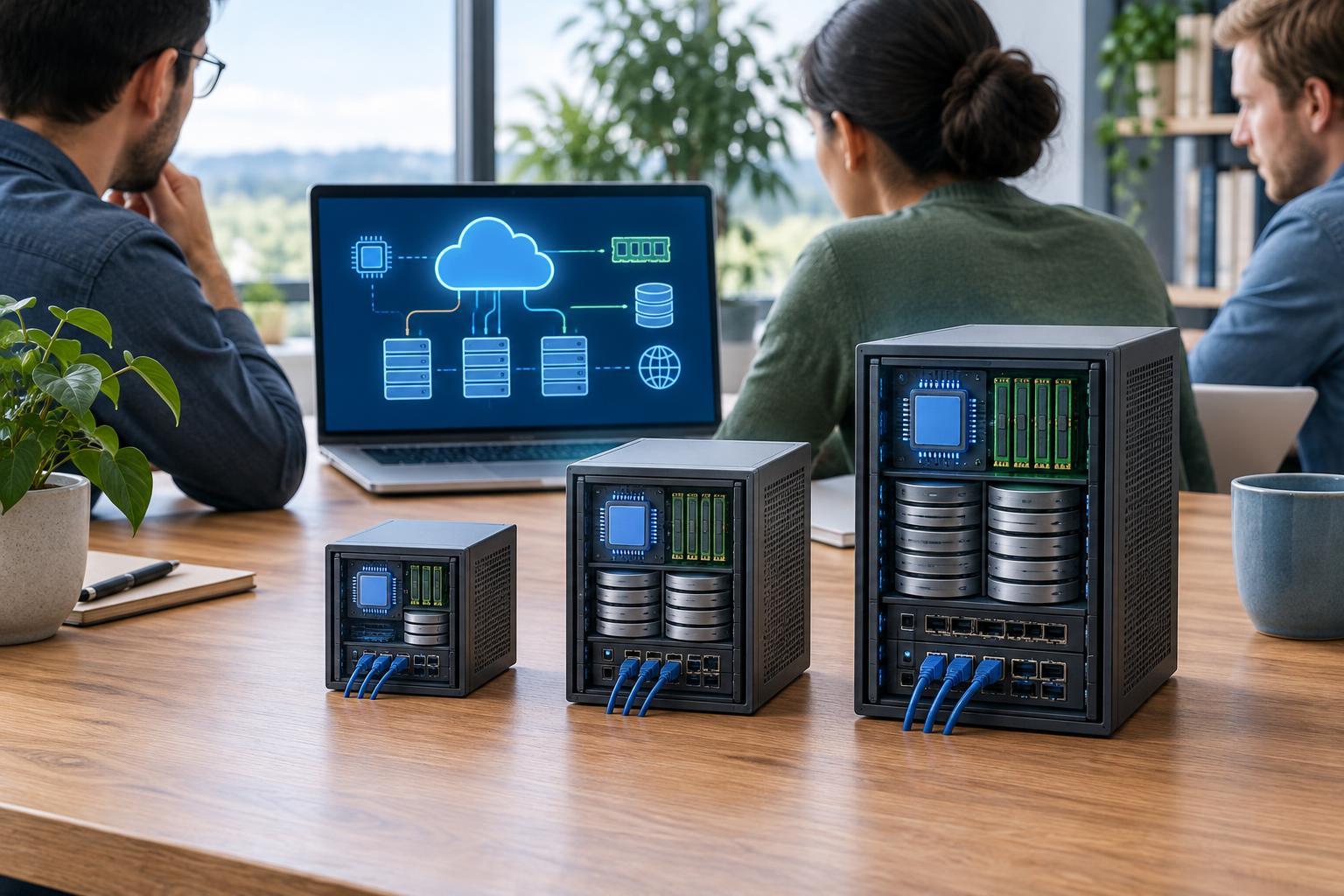
Cloud FundamentalsChoosing a cloud virtual machine is not just a matter of picking enough CPU and memory. Learn how to identify your workload’s bottleneck, compare instance families, test candidate sizes, and adjust capacity as demand changes.
Read article · 4 min↗

Cloud FundamentalsCloud providers secure the infrastructure they operate, but customers still make important security decisions. Learn how responsibilities shift across infrastructure, platform and software services, and how a small team can turn the model into a practical checklist.
Read article · 4 min↗

Cloud FundamentalsA cloud region is a geographic area where a provider operates infrastructure. Availability zones are separate locations within a region designed to reduce the impact of some local failures. Learn how these boundaries affect latency, resilience, cost and deployment choices.
Read article · 4 min↗

Cloud FundamentalsPublic, private and hybrid cloud describe different ways to provide computing resources. Learn how they compare on control, cost, security responsibilities, performance and day-to-day operations—and how to choose based on a specific workload.
Read article · 4 min↗

Cloud FundamentalsIaaS, PaaS and SaaS describe different ways to divide the work of running software. Learn what each model provides, what your team still manages, and how to choose a practical fit for a new project.
Read article · 4 min↗

Cloud FundamentalsCloud computing lets teams request computing resources when they need them instead of buying and operating every server themselves. Learn what happens behind the scenes, how common service models differ, and what to consider when building a small cloud-based application.
Read article · 4 min↗