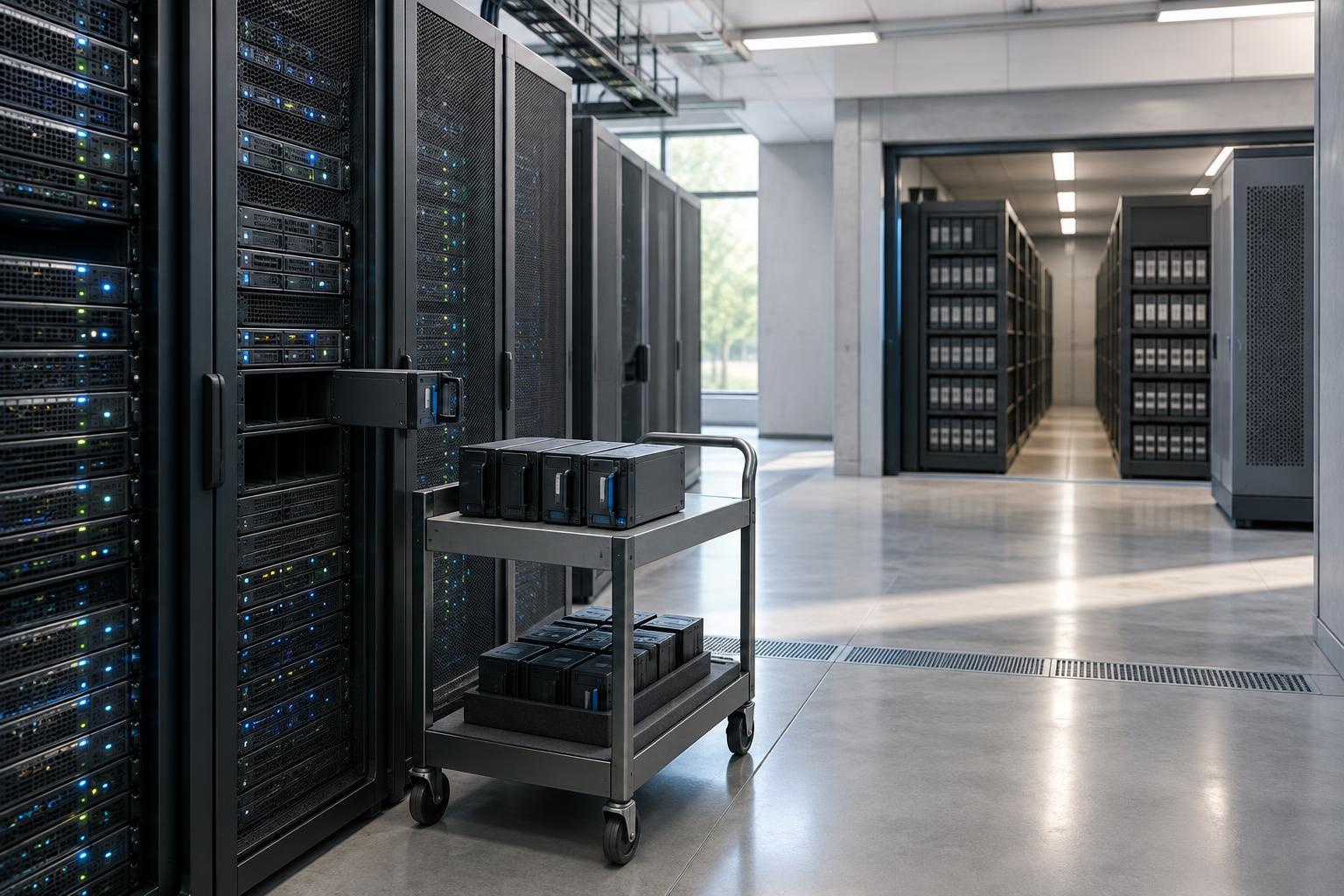
Data InfrastructureKeeping every record forever makes data harder to manage, while deleting too soon can remove something a team still needs. Learn how to set retention periods, move older data into an archive, and make deletion a reliable part of the data lifecycle.
Read article · 4 min↗

Data InfrastructureA database schema migration changes the structure of stored data, but a successful change must also work with the application code that reads and writes it. Learn how to plan compatible changes, backfill existing rows, deploy in stages, and check the result.
Read article · 4 min↗
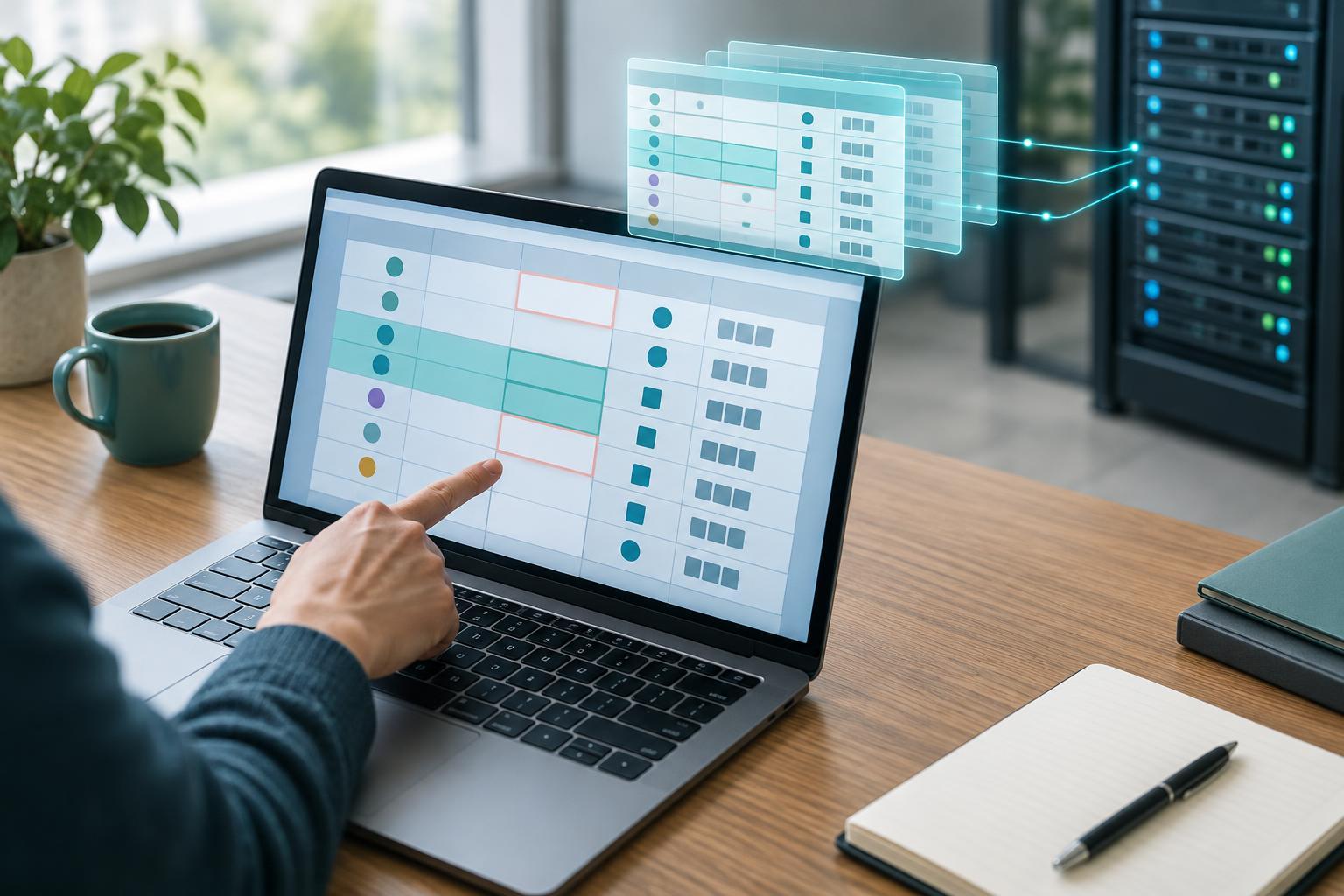
Data InfrastructureA practical guide to three data quality problems that can quietly distort reports and pipelines. Learn how to recognize missing values, define duplicates in context, and keep field types consistent as data moves between systems.
Read article · 4 min↗

Data InfrastructureA data pipeline needs more than a list of jobs. Learn how orchestration coordinates task dependencies, handles temporary failures, and schedules work without confusing a clock time with data readiness.
Read article · 4 min↗
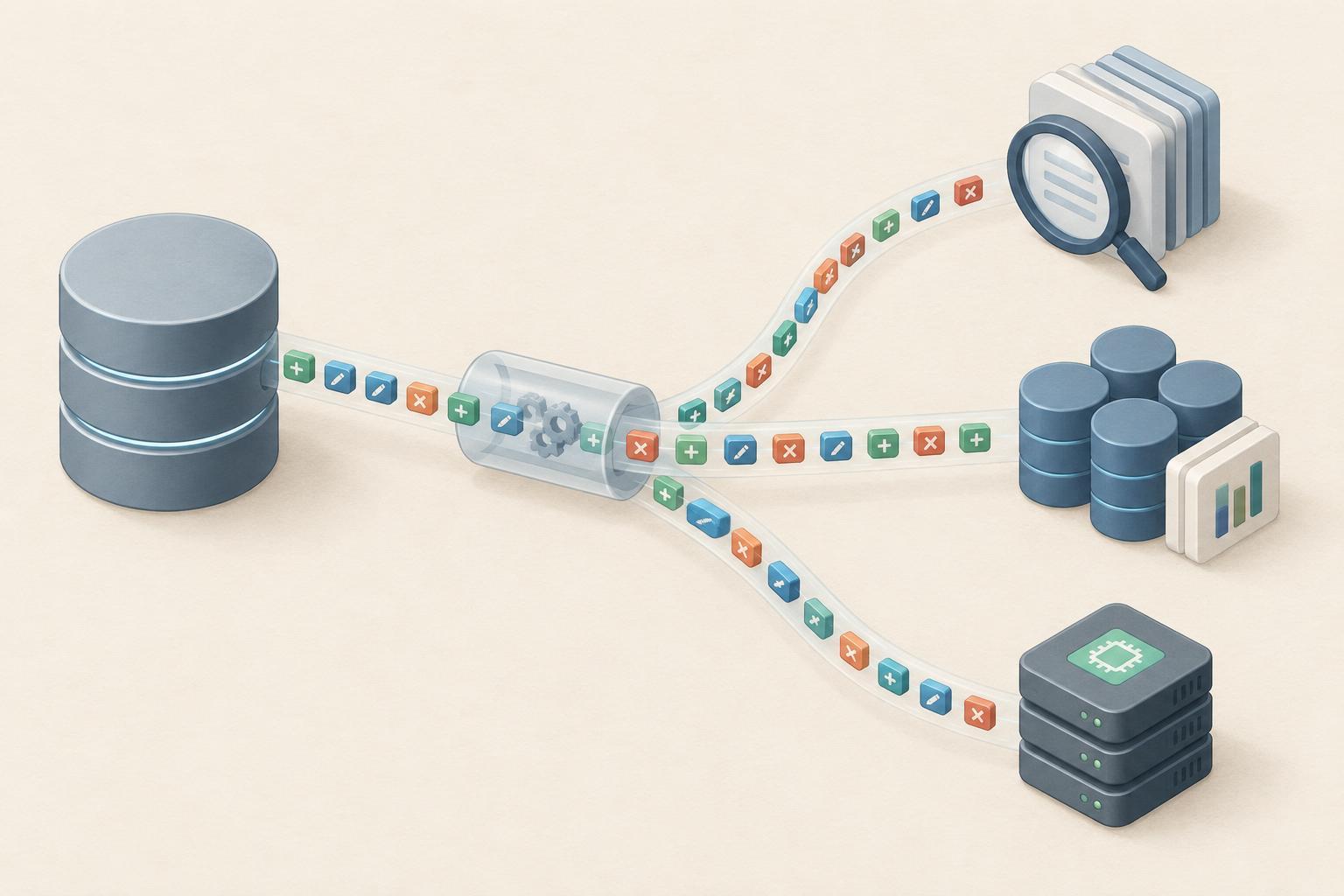
Data InfrastructureChange data capture helps teams send database inserts, updates, and deletes to search indexes, analytics stores, caches, and other systems. Learn how a CDC pipeline works, what can go wrong, and how to plan a small, reliable implementation.
Read article · 4 min↗

Data InfrastructureMessage queues and event streams both move data between systems, but they serve different needs. Learn how consumption, retention, ordering and retries affect the choice, with practical examples for small teams.
Read article · 4 min↗

Data InfrastructureBatch and stream processing both move and transform data, but they make different tradeoffs around freshness, completeness, cost, and complexity. Learn how each approach works and how to choose a pipeline based on the decisions your data needs to support.
Read article · 4 min↗
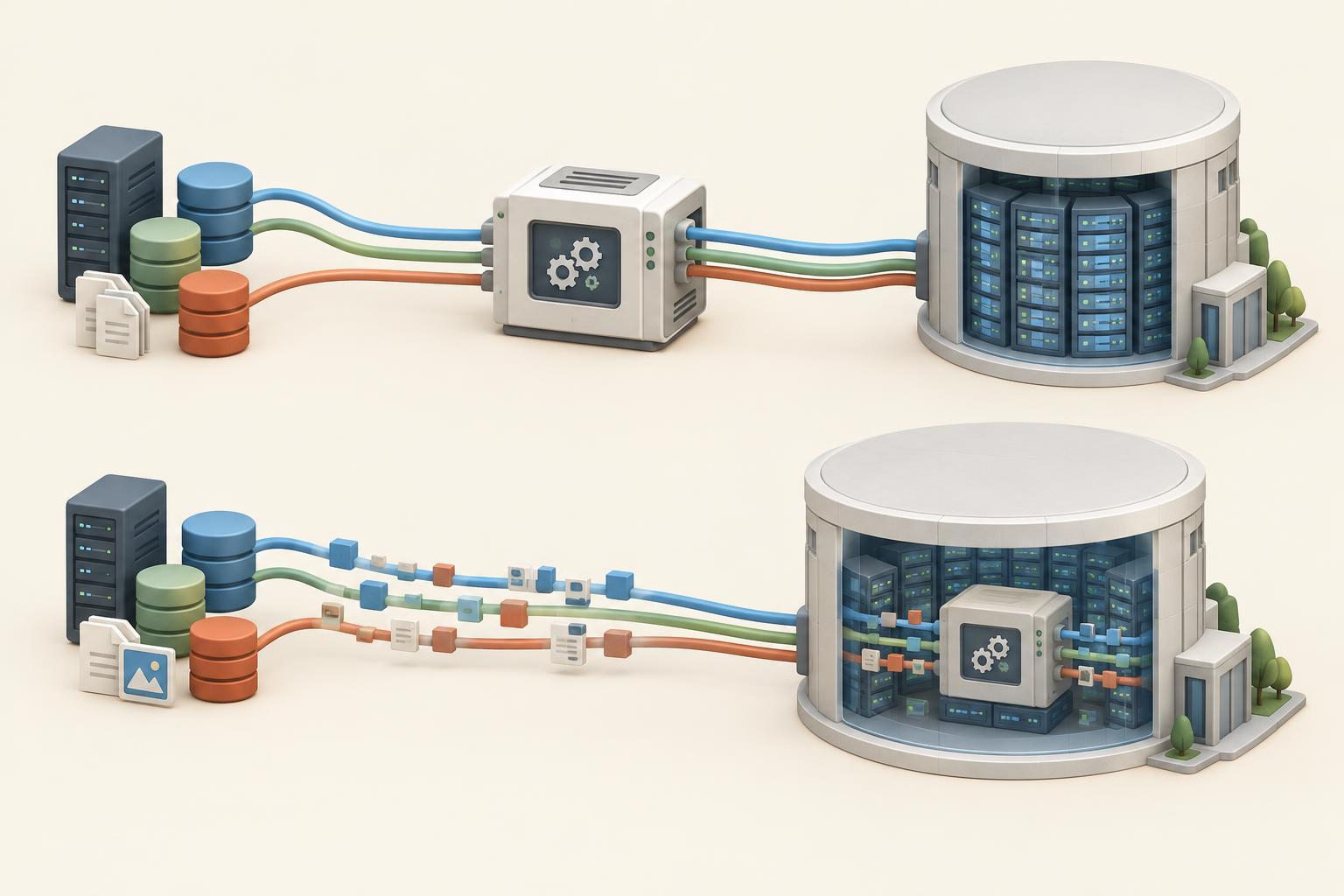
Data InfrastructureETL and ELT both move data from source systems to a destination. The key difference is when and where transformation takes place. Learn how each pattern works, what it means for storage and compute, and how to choose a sensible approach for a small data pipeline.
Read article · 4 min↗

Data InfrastructureA data warehouse, data lake and lakehouse can all support analytics, but they differ in how they store data, apply structure and manage change. Learn the practical tradeoffs and how a small team can choose a starting point.
Read article · 4 min↗

Data InfrastructureOLTP systems keep day-to-day operations moving; OLAP systems help people explore what happened across many operations. Learn how their query patterns, data models, and freshness requirements differ, and how to decide when a separate analytical system is worth the effort.
Read article · 4 min↗
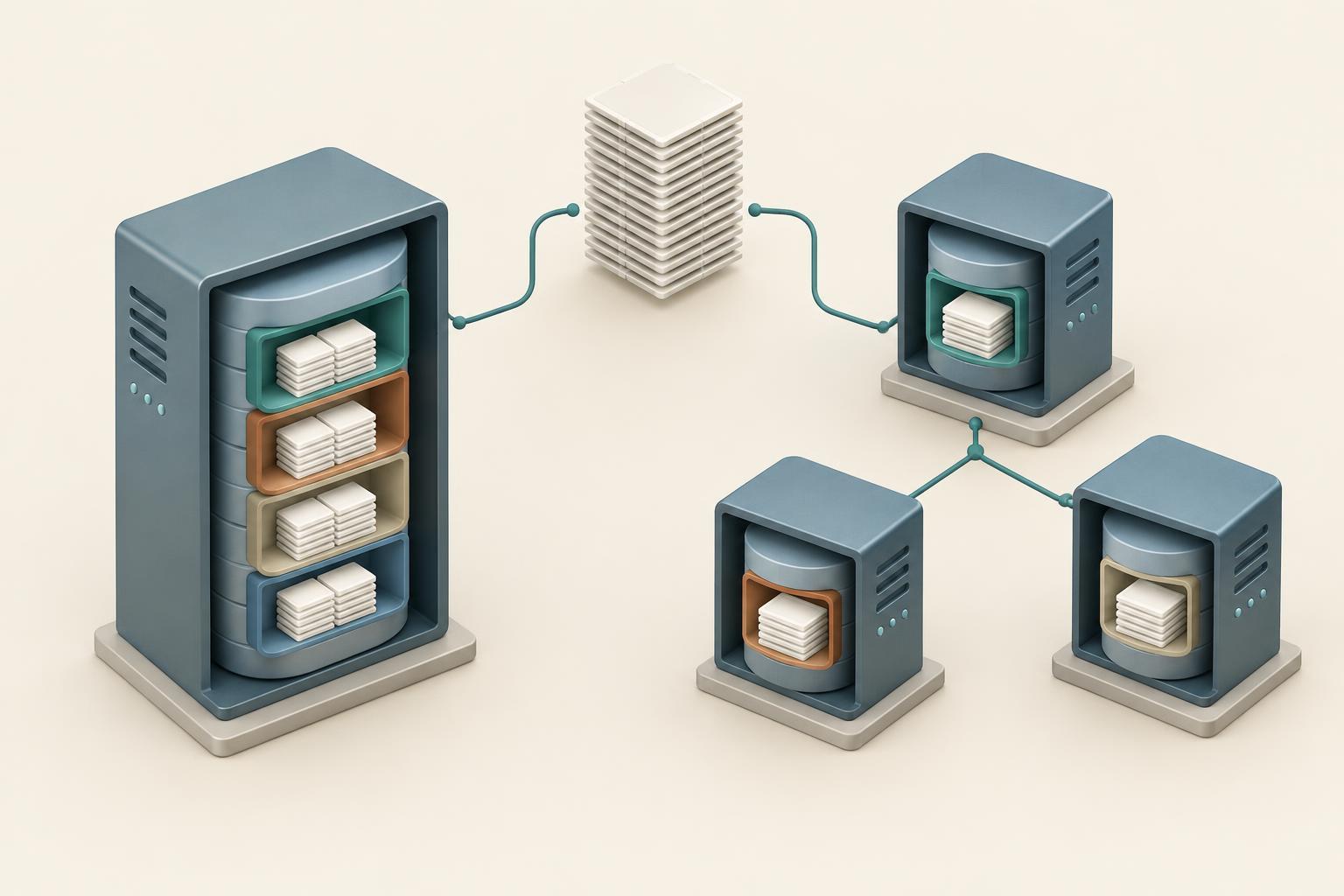
Data InfrastructureA growing table does not always need a bigger server. Learn how partitioning and sharding divide data, where each approach helps, and what to consider before choosing a split key.
Read article · 4 min↗

Data InfrastructureRead replicas can spread query load and give applications more room to grow, but they introduce replication lag, operational work and consistency trade-offs. Learn how replication works, when replicas help and what they cannot replace.
Read article · 4 min↗
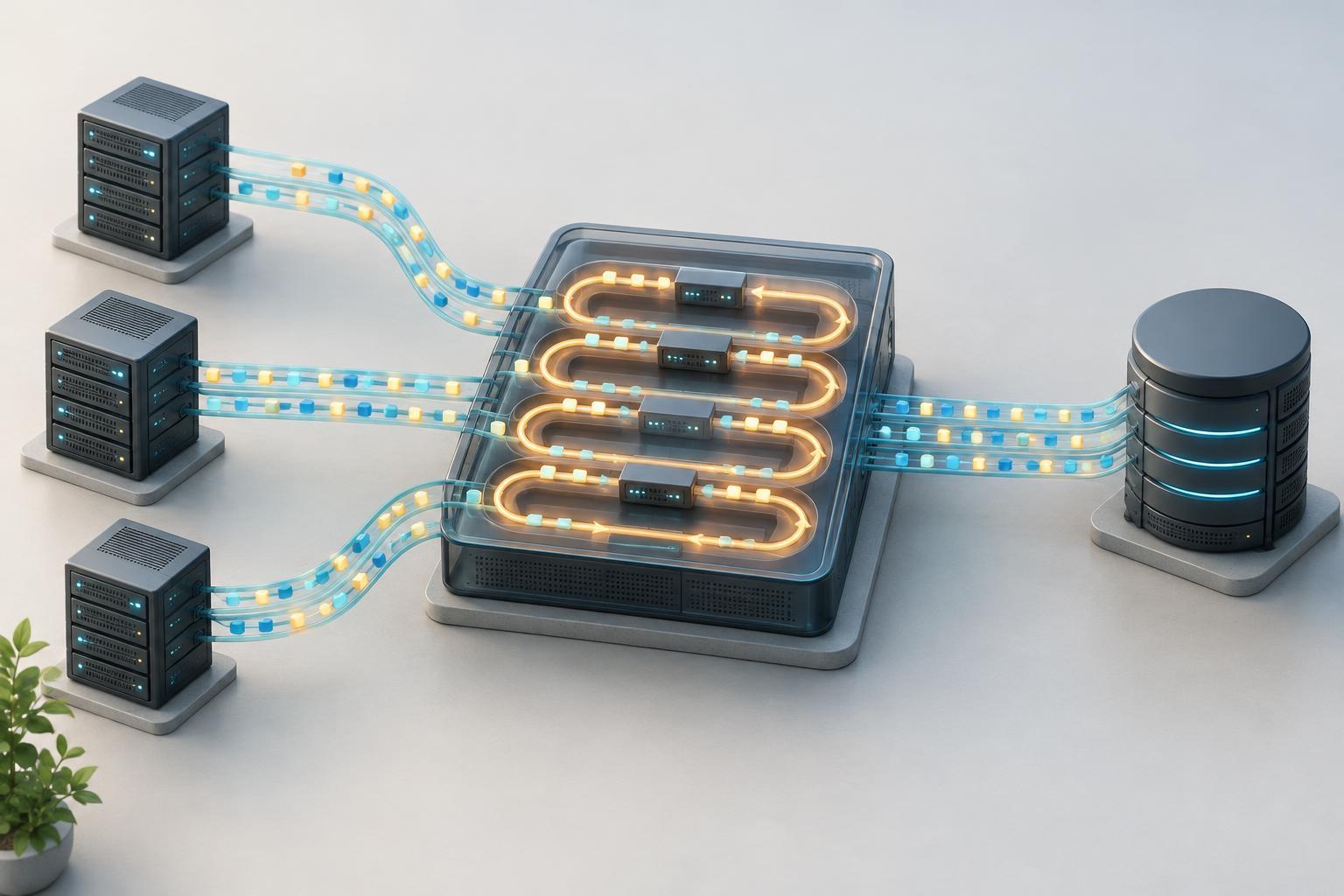
Data InfrastructureOpening a new database connection for every request can waste time and overwhelm a database. Learn how connection pools reuse connections, control concurrency, and help applications handle changing traffic.
Read article · 4 min↗

Data InfrastructureTransactions help databases keep related changes together, even when requests overlap or something fails. Learn what ACID means, how common isolation levels affect concurrent reads and writes, and how to choose a level for a practical workload.
Read article · 4 min↗
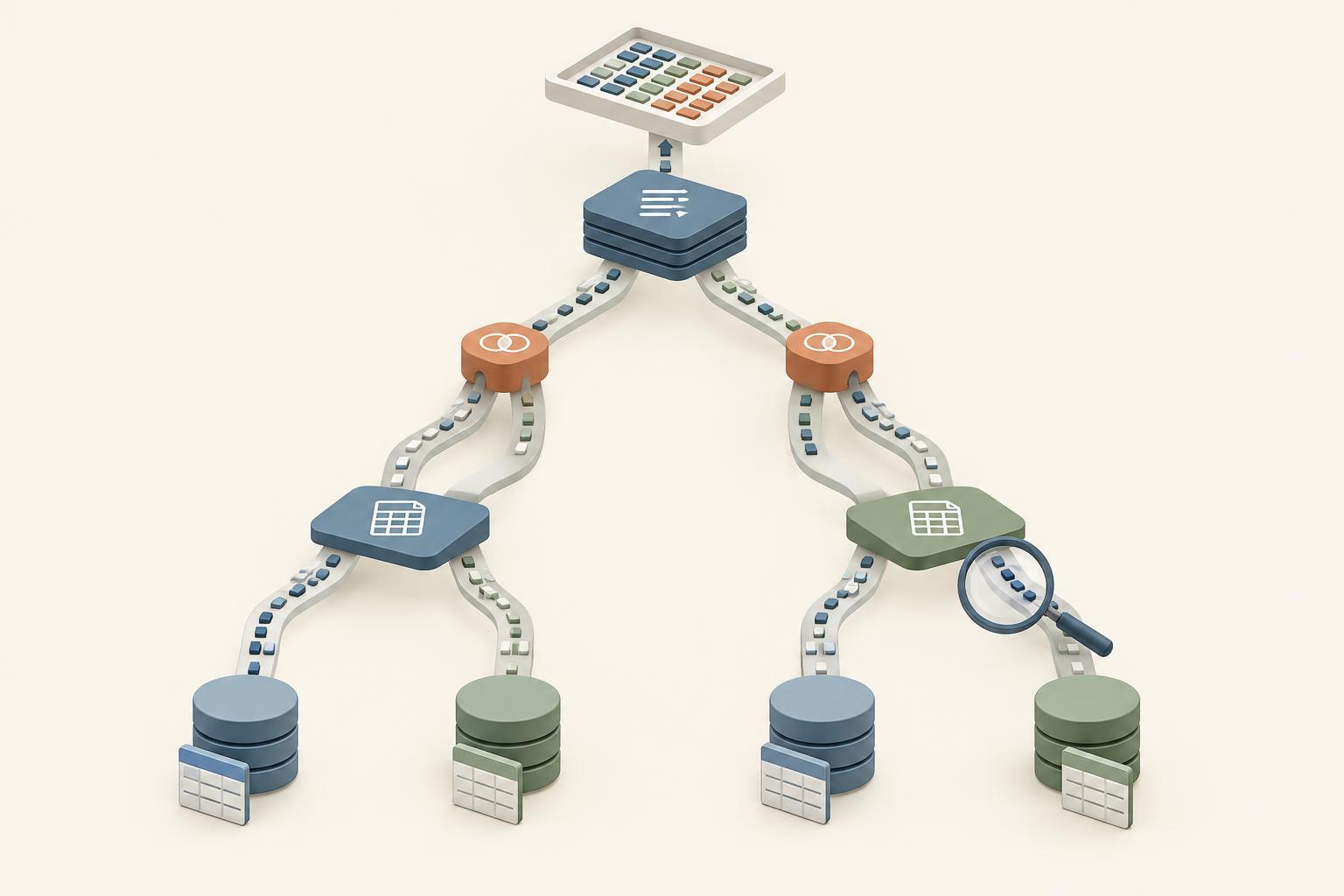
Data InfrastructureA query execution plan shows how a database intends to find, combine, and return rows. Learn how to follow the plan tree, compare estimated and actual work, and spot operations worth investigating before changing a query or index.
Read article · 4 min↗

Data InfrastructureIndexes help databases find rows without scanning an entire table, but they also add work whenever data changes. Learn how common indexes work, why some queries benefit more than others, and how to choose indexes based on a real workload.
Read article · 4 min↗

Data InfrastructureLearn how INNER, LEFT, RIGHT, and FULL OUTER JOIN combine rows. A small customers-and-orders example shows what each join returns, why rows can repeat, and how to avoid common mistakes with NULL values and filters.
Read article · 4 min↗
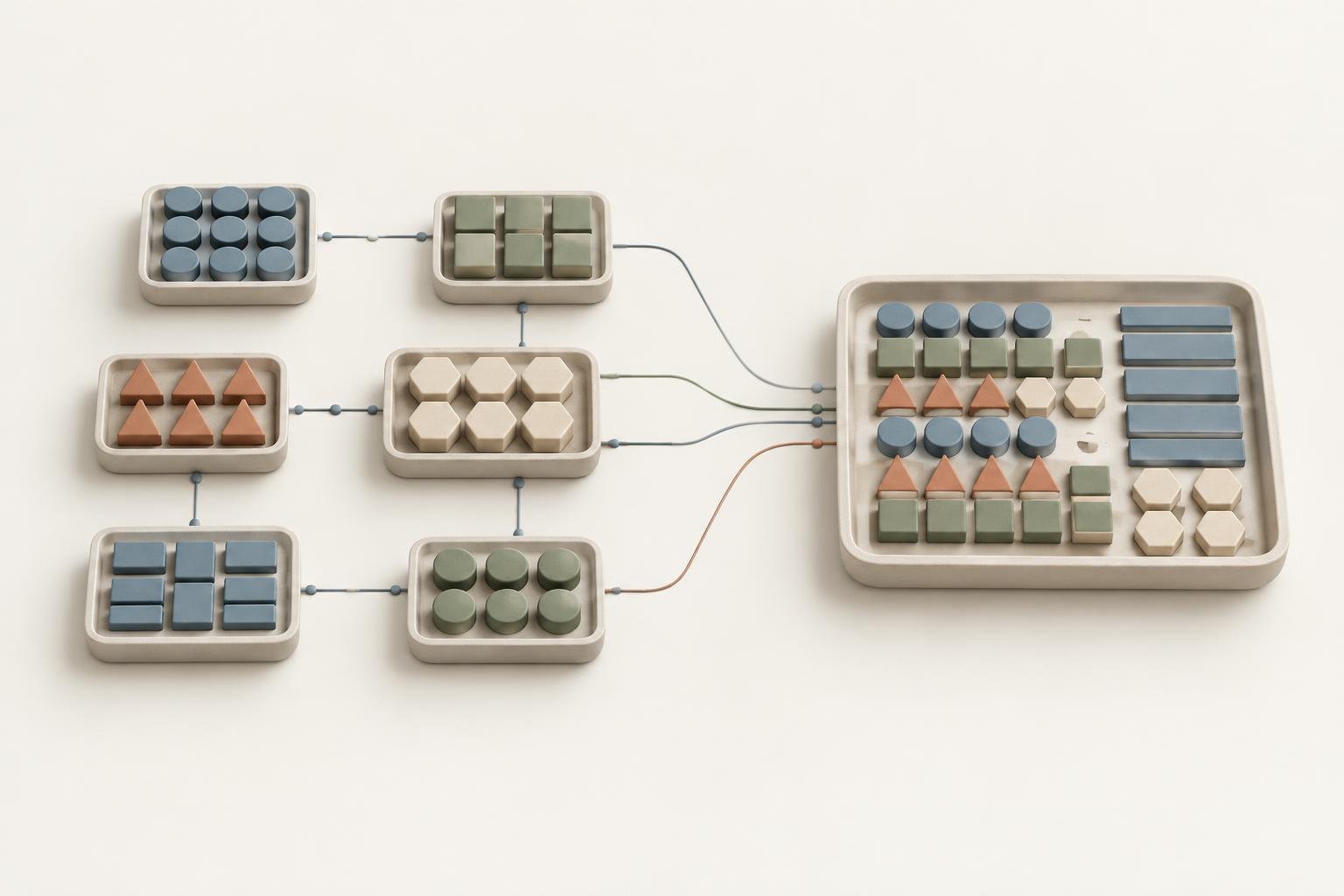
Data InfrastructureNormalization organizes data to reduce unintended duplication and update errors. Denormalization introduces carefully chosen redundancy to make particular reads simpler or faster. Learn how both approaches work, where their trade-offs appear, and how to choose based on your application’s data and query patterns.
Read article · 5 min↗

Data InfrastructurePrimary keys identify rows; foreign keys connect them. Learn how these constraints work together, what they do not guarantee, and how to choose sensible designs for everyday relational tables.
Read article · 4 min↗
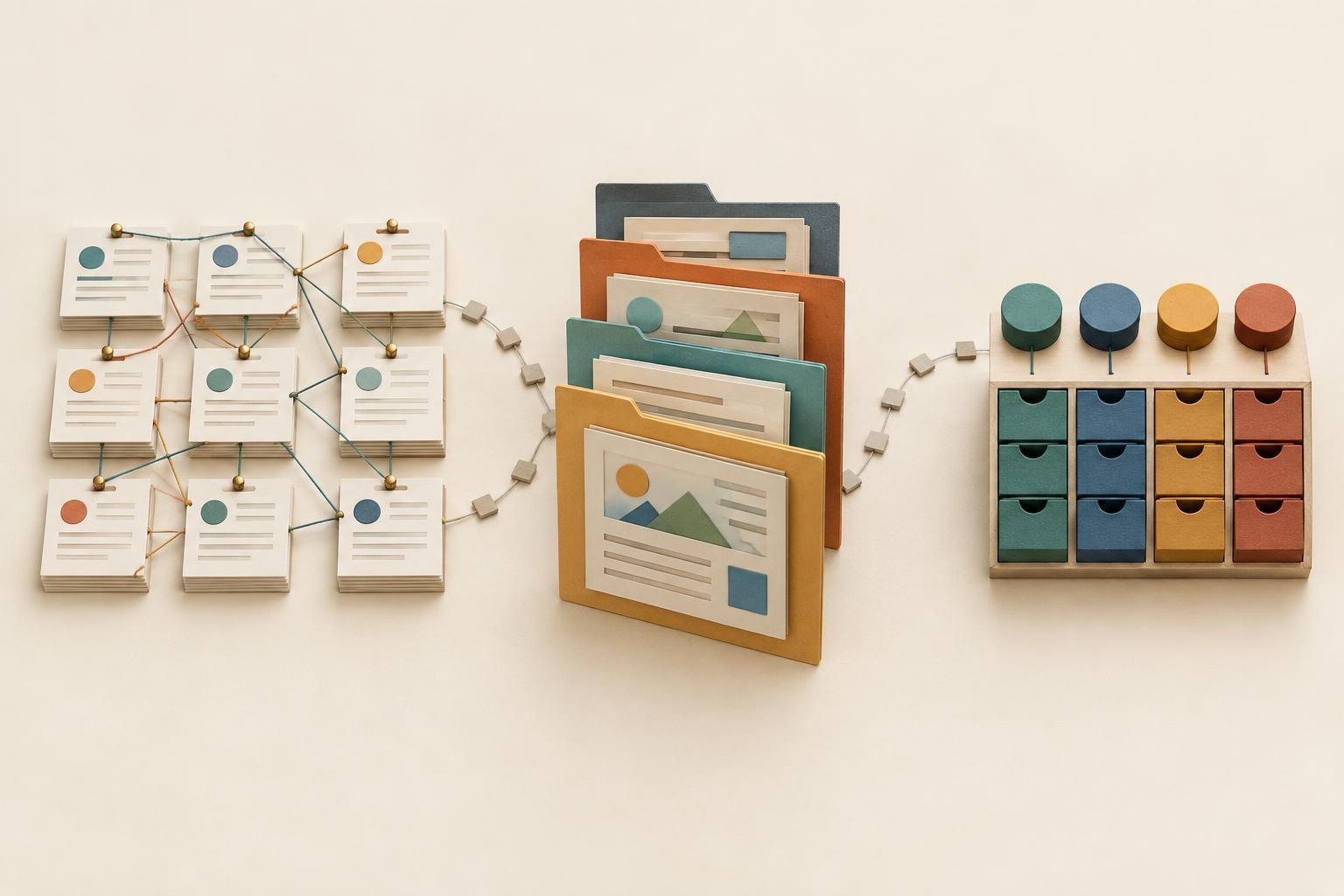
Data InfrastructureA practical guide to choosing a database model based on how your application stores, retrieves and updates data. Compare relational, document and key-value databases through examples, trade-offs and questions to ask before committing.
Read article · 4 min↗