
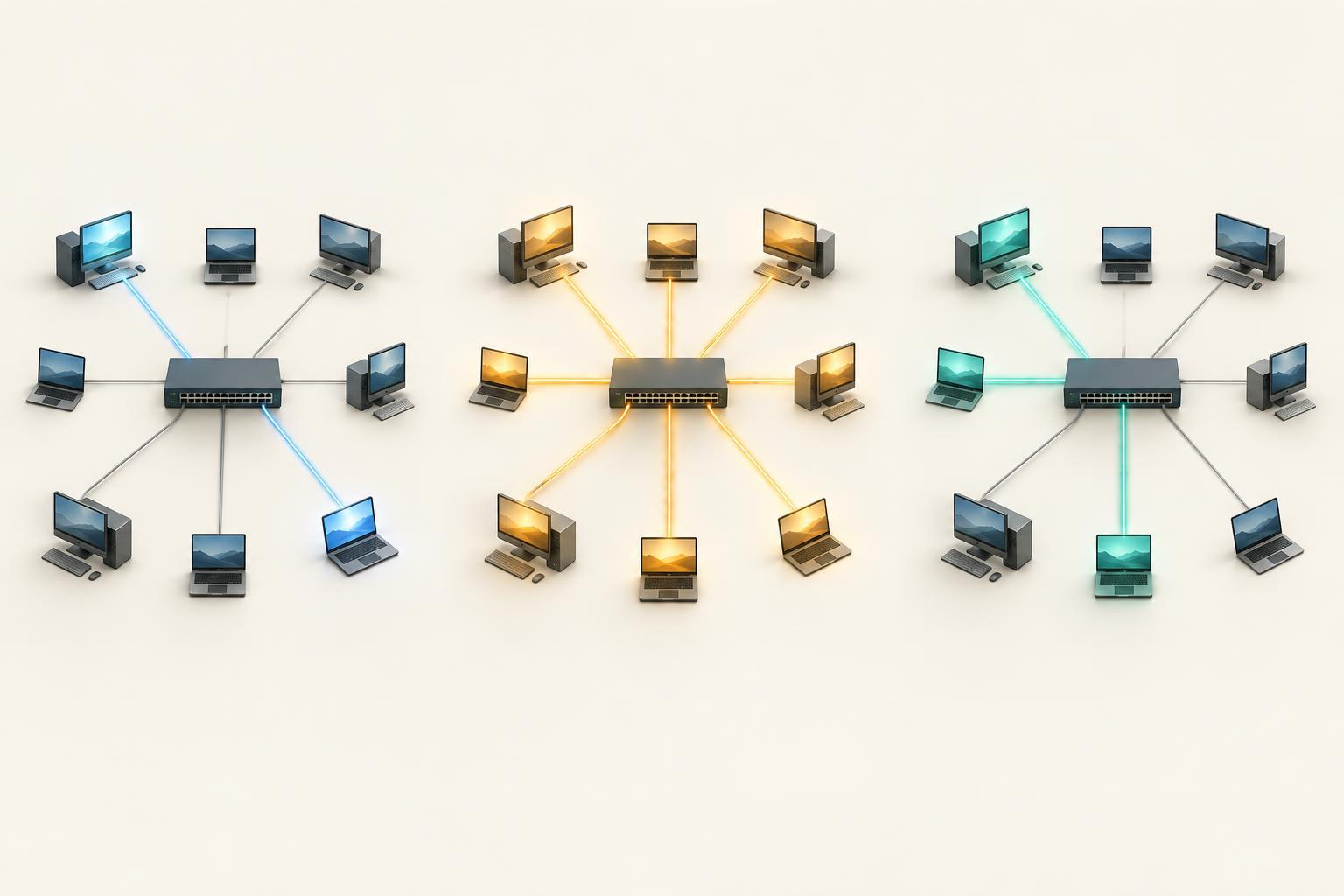
Networks and ConnectivityUnicast sends traffic to one destination, broadcast reaches every device on a local network segment, and multicast targets a group of interested receivers. Learn how each delivery pattern works, where its traffic goes and when it is useful.
Read article · 4 min↗

Networks and ConnectivityA reliable small office network starts with a simple map of people, devices and spaces. Learn how to choose the basic equipment, plan Ethernet runs, place Wi-Fi access points and leave room for growth.
Read article · 4 min↗

Networks and ConnectivityThe internet is made of many independently operated networks. Border Gateway Protocol (BGP) helps them tell one another which IP address ranges they can reach. Learn what a route announcement contains, how network policies affect path selection, and why filtering matters.
Read article · 4 min↗
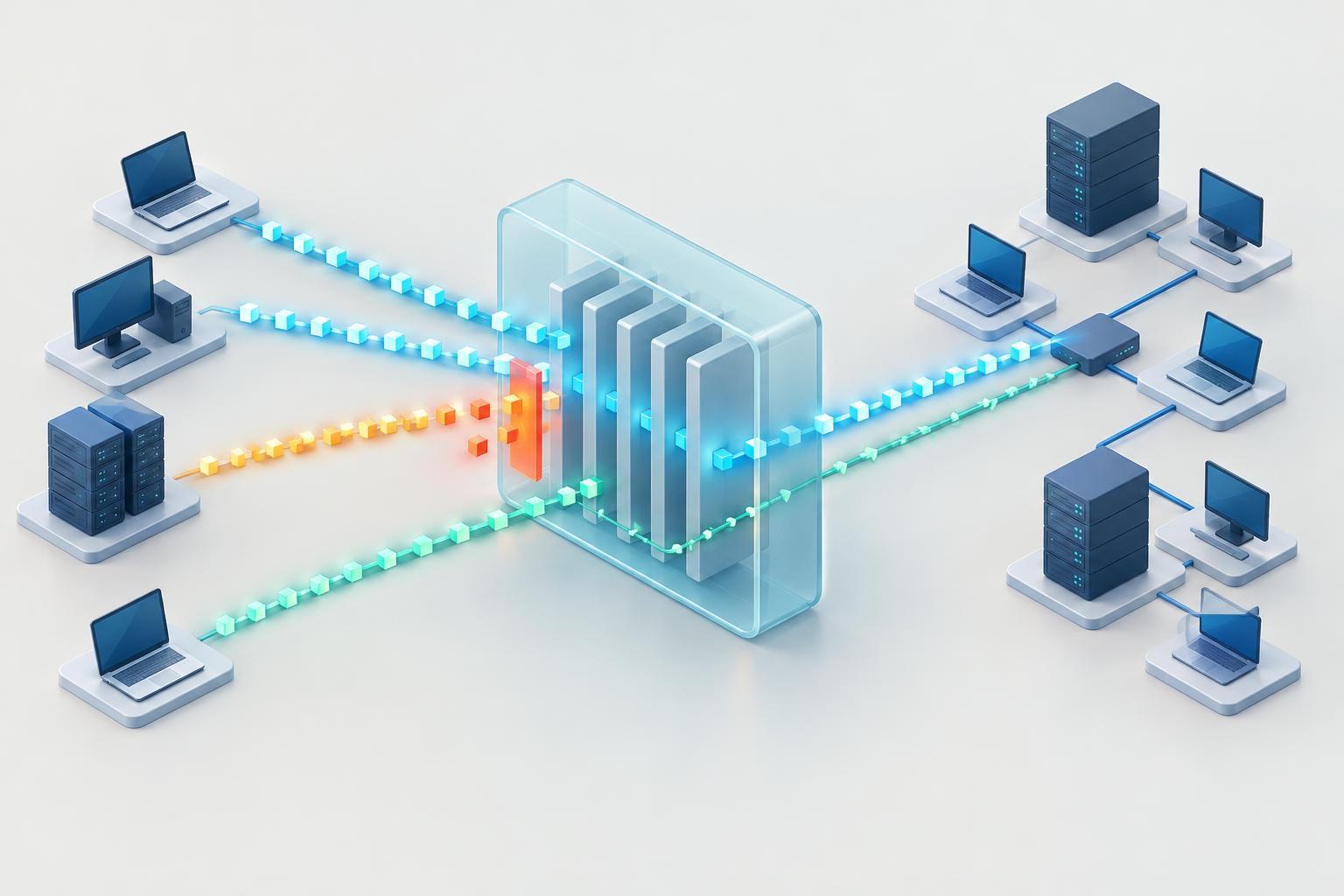
Networks and ConnectivityA firewall rule decides which network traffic may pass between devices or network segments. Learn what a rule matches, why rule order matters, how stateful filtering handles replies, and how to build a small, understandable rule set.
Read article · 4 min↗

Networks and ConnectivityA virtual LAN lets a switch divide one physical network into separate logical networks. Learn how VLAN IDs, access ports, trunks and inter-VLAN routing fit together, with a practical small-office example.
Read article · 4 min↗

Networks and ConnectivityMTU sets the largest packet a network link can carry without splitting it. Learn how fragmentation works, why tunnels change the available space, and how to recognize a path MTU problem.
Read article · 4 min↗

Networks and ConnectivityPing checks whether a destination responds and how long replies take. Traceroute shows the network hops along a path. Learn how to run both tools, read their output, and avoid common misinterpretations.
Read article · 4 min↗

Networks and ConnectivityA fast connection can still feel slow. Learn what bandwidth, latency and jitter measure, how they affect everyday applications, and how to test a network without mistaking one result for the whole picture.
Read article · 4 min↗
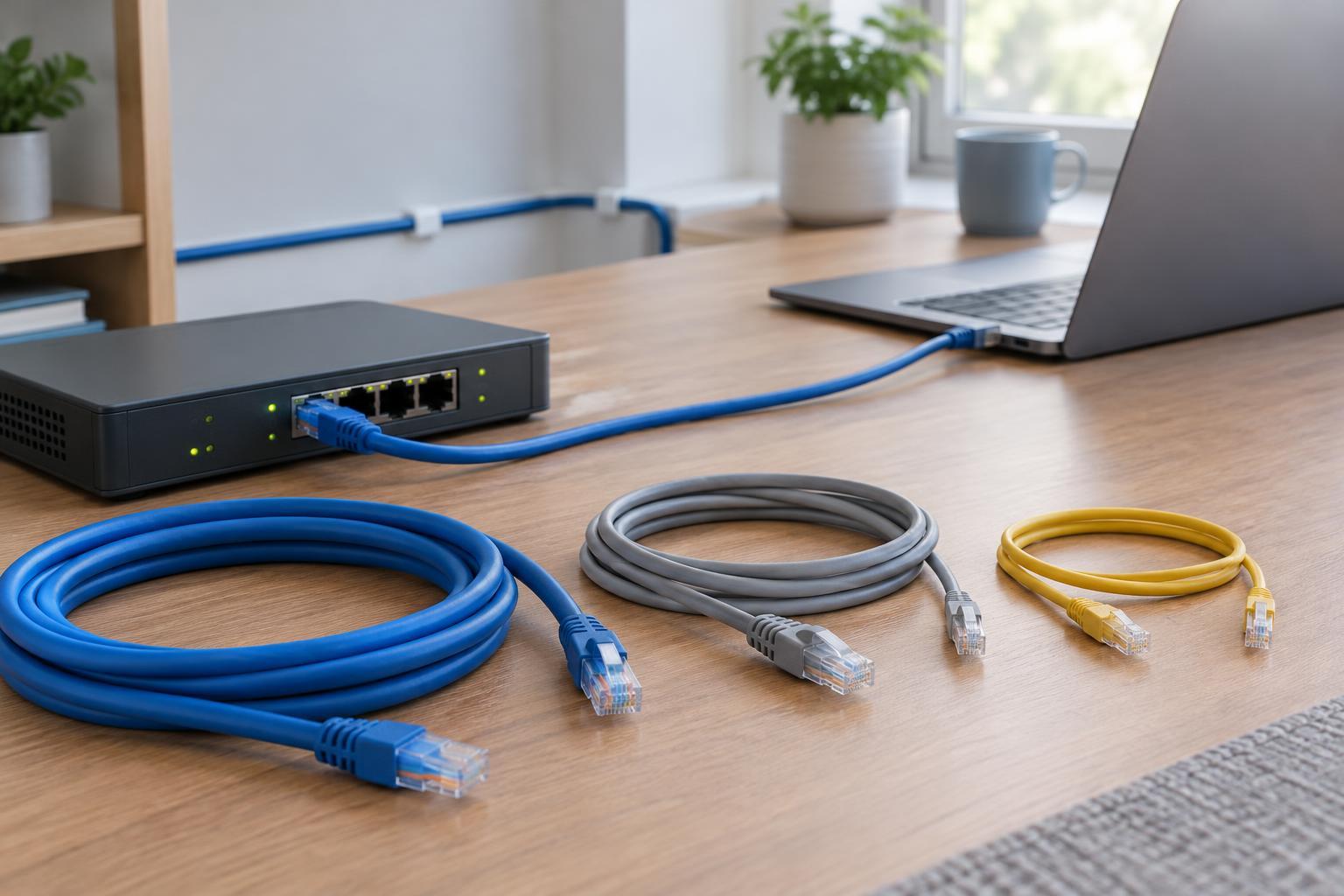
Networks and ConnectivityA higher cable category does not automatically make a network faster. Learn how Ethernet link speed, cable length, connectors and installation conditions fit together so you can buy the right cable without paying for features you cannot use.
Read article · 4 min↗

Networks and ConnectivityA practical guide to 2.4, 5 and 6 GHz Wi-Fi, channel width and access point placement. Learn how to choose settings based on coverage, congestion and device compatibility rather than assuming the widest channel is best.
Read article · 4 min↗

Networks and ConnectivityAn IP address gets traffic to a device, but it does not tell the device which application should receive it. Learn how ports, transport protocols and sockets work together, with a step-by-step web connection example.
Read article · 4 min↗

Networks and ConnectivityTCP and UDP both carry data between applications, but they make different promises. Learn how ordered delivery, datagrams, connection setup and application design affect the right choice for a network service.
Read article · 4 min↗

Networks and ConnectivityA home router can let many devices use one public IPv4 address by tracking their connections and translating addresses and ports. Learn how the mapping works, why incoming connections need extra setup, and what NAT does—and does not—do for security.
Read article · 4 min↗

Networks and ConnectivityWhen a device joins a network, it usually needs an IP address and a few other settings before it can communicate. Learn how DHCP supplies those settings, what a lease means, and how to troubleshoot common problems.
Read article · 4 min↗
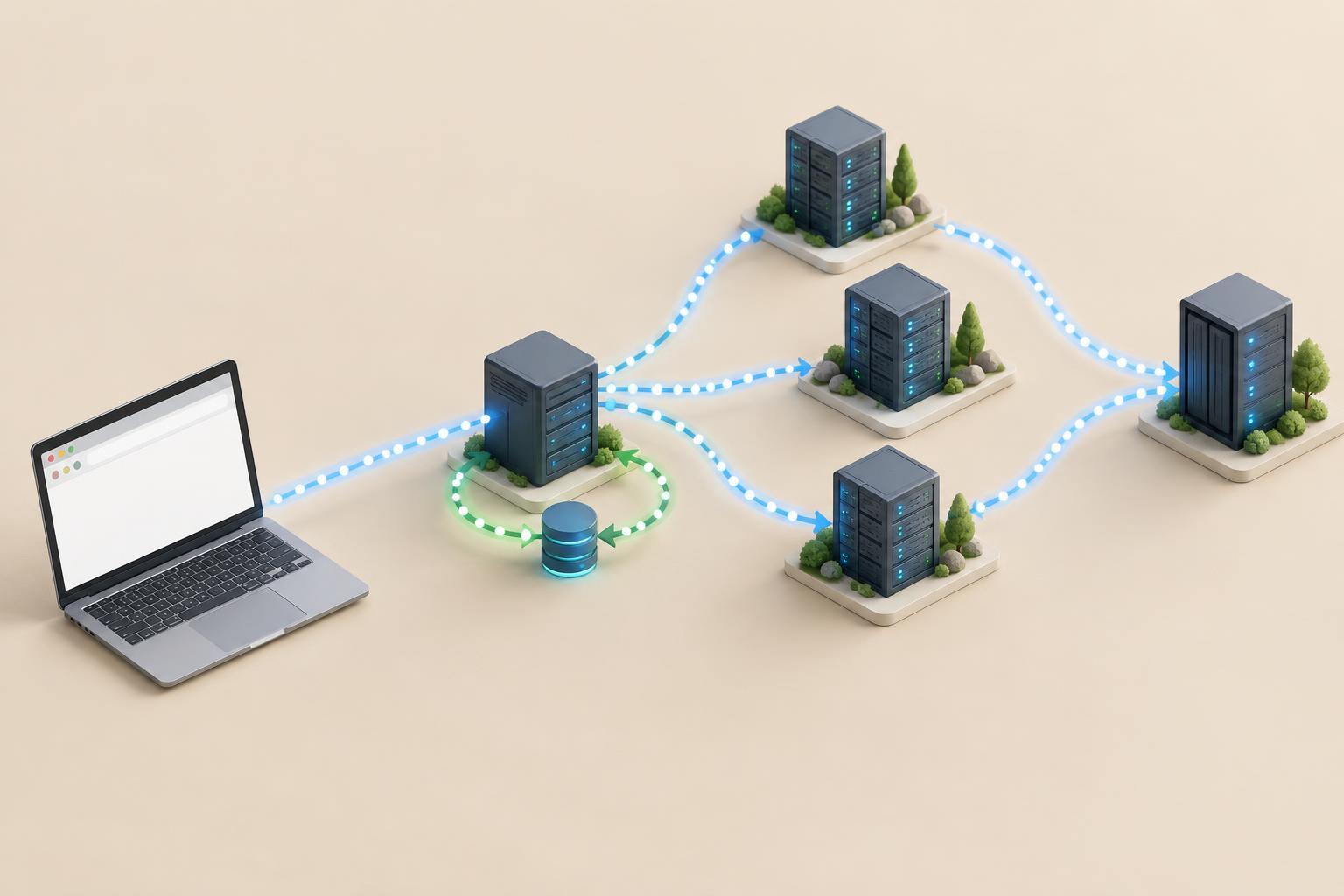
Networks and ConnectivityDNS lets people use memorable domain names while devices use IP addresses to reach services. Follow a lookup from your browser through a recursive resolver to authoritative servers, and learn why caching, record types, and failures matter.
Read article · 4 min↗
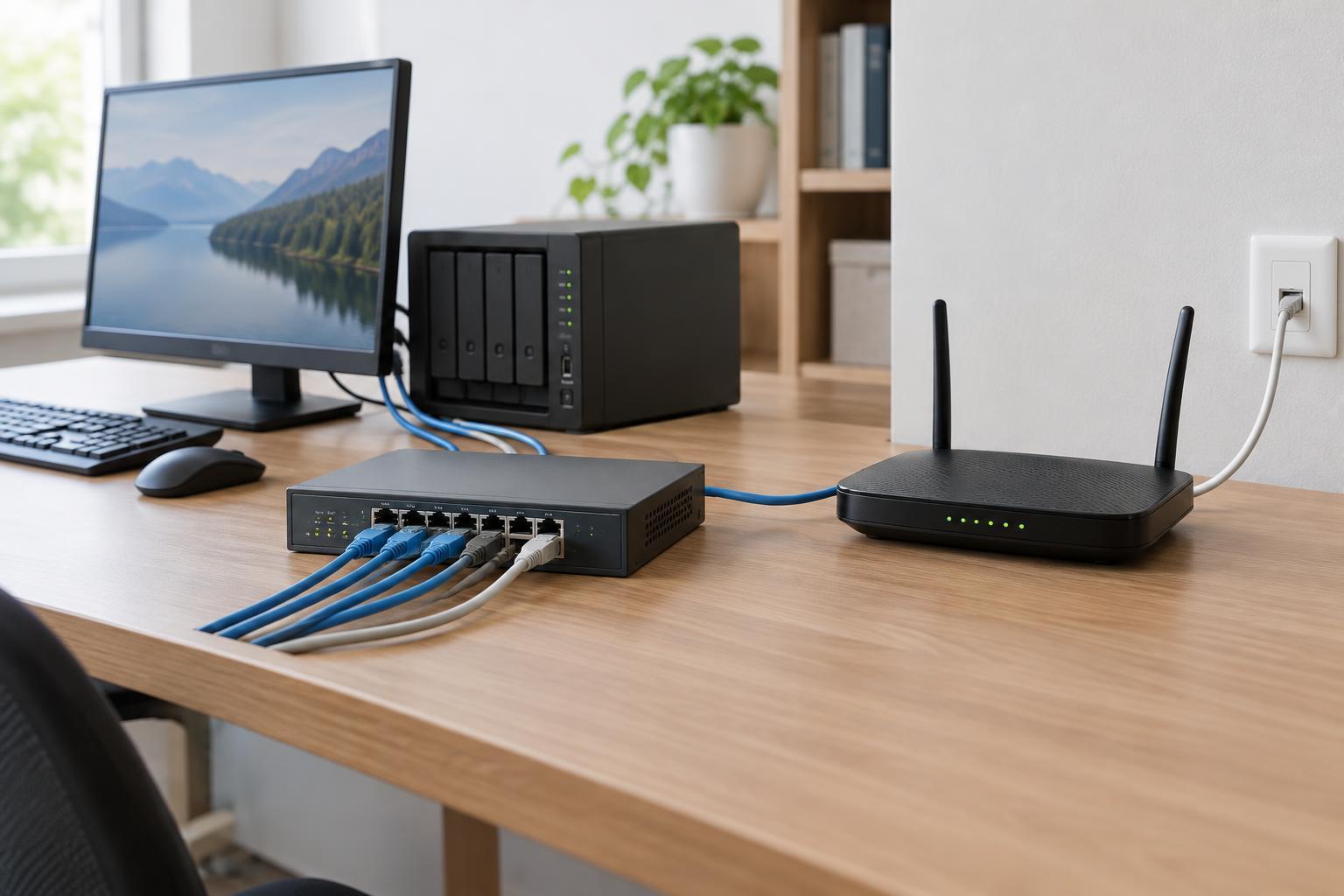
Networks and ConnectivitySwitches connect devices within a local network, while routers connect different networks and choose where traffic goes next. Learn how each device handles addresses, how they work together, and why a home Wi-Fi box often does both jobs.
Read article · 4 min↗

Networks and ConnectivityAn IP address identifies the destination, but an Ethernet frame needs a local destination MAC address. Learn how ARP makes that connection for IPv4, what switches do with the result, and why traffic to another network goes to a router instead.
Read article · 4 min↗

Networks and ConnectivityIPv4 and IPv6 both identify network interfaces so devices can exchange packets, but their addresses look different and support different ways of configuring a network. Learn how to read each format, understand prefixes and distinguish address space, DNS, NAT and security considerations.
Read article · 4 min↗


Networks and ConnectivityPacket switching breaks a message into manageable pieces that can travel across shared networks and be reassembled at their destination. Learn what packets contain, how routers forward them, and why delivery order, congestion, and reliability matter.
Read article · 4 min↗