
Web PerformanceA long list of products, messages or records can slow a page even when its network requests are quick. Learn how pagination, load-more controls and virtualization change the work a browser must do—and how to choose among them.
Read article · 3 min↗

Web PerformanceAn animation can look simple and still feel slow. Learn how repeated layout calculations and heavy main-thread tasks cause stutter, and how to make animation work more predictable.
Read article · 4 min↗

Web PerformanceA fast desktop test can hide a frustrating mobile experience. Learn how to test on a modest phone, use browser throttling without mistaking it for a real device, measure loading and interaction, and turn the results into useful fixes.
Read article · 4 min↗

Web PerformanceA performance budget turns “make the site faster” into a set of limits your team can measure and maintain. Learn how to choose useful metrics, set realistic targets, and handle changes that put the budget at risk.
Read article · 4 min↗

Web PerformanceA slow Time to First Byte can come from connection setup, redirects, network distance, caching, or work on the server. Learn how to measure it consistently, narrow down the delay, and choose a fix that addresses the actual bottleneck.
Read article · 4 min↗

Web PerformanceResource hints can help a browser prepare for important downloads or likely next steps, but each hint solves a different timing problem. Learn when to use preload, prefetch and preconnect—and when leaving the browser alone is the better choice.
Read article · 4 min↗

Web PerformanceGzip and Brotli reduce the bytes needed to deliver text-based web assets, but the best choice depends on browser support, server work and caching. Learn how compression negotiation works, which files to compress and how to test the result.
Read article · 4 min↗

Web PerformanceAnalytics, ads, chat widgets and embedded media can affect a page long after its own code has loaded. Learn how to measure their network, rendering and interaction costs, compare controlled page variants and use the results to make practical decisions.
Read article · 4 min↗

Web PerformanceCode splitting lets a browser download JavaScript when a page needs it rather than sending every feature at startup. Learn where to create split points, how loading works, and how to check whether the result actually improves the experience.
Read article · 4 min↗

Web PerformanceA script in the document head can pause HTML parsing while it downloads and runs. The async and defer attributes offer different ways to avoid that download pause. Learn how each affects execution order, DOM access and the DOMContentLoaded event, then choose an approach that fits your script.
Read article · 4 min↗

Web PerformanceA browser may receive a page’s HTML before it can show the content. Learn why stylesheets can delay the first render, how that affects perceived speed, and which changes are worth testing.
Read article · 4 min↗

Web PerformanceWeb fonts can improve a site’s identity, but they can also delay readable text or move content after a page appears. Learn how font-display, carefully chosen fallbacks, font metrics, and selective preloading help create a steadier experience.
Read article · 4 min↗

Web PerformanceLazy-loading can make a page lighter at first, but delaying the wrong image can make it feel slower. Learn which images to load immediately, which to defer, and how to check whether the choice helps.
Read article · 4 min↗

Web PerformanceLarge images can slow a page even when its layout looks simple. Learn how to choose formats by image type, prepare useful size variants, and help browsers download an image suited to the space it fills.
Read article · 4 min↗

Web PerformanceHTTP/2 and HTTP/3 can deliver the same pages and resources, but they handle connections differently. Learn how TCP, QUIC, packet loss and connection setup affect delivery, and when HTTP/3 is worth testing.
Read article · 4 min↗

Web PerformanceA content delivery network can serve images, stylesheets, scripts and fonts from servers closer to visitors. Learn how edge caching works, what determines a cache hit, and how to check whether a CDN is improving your site.
Read article · 4 min↗
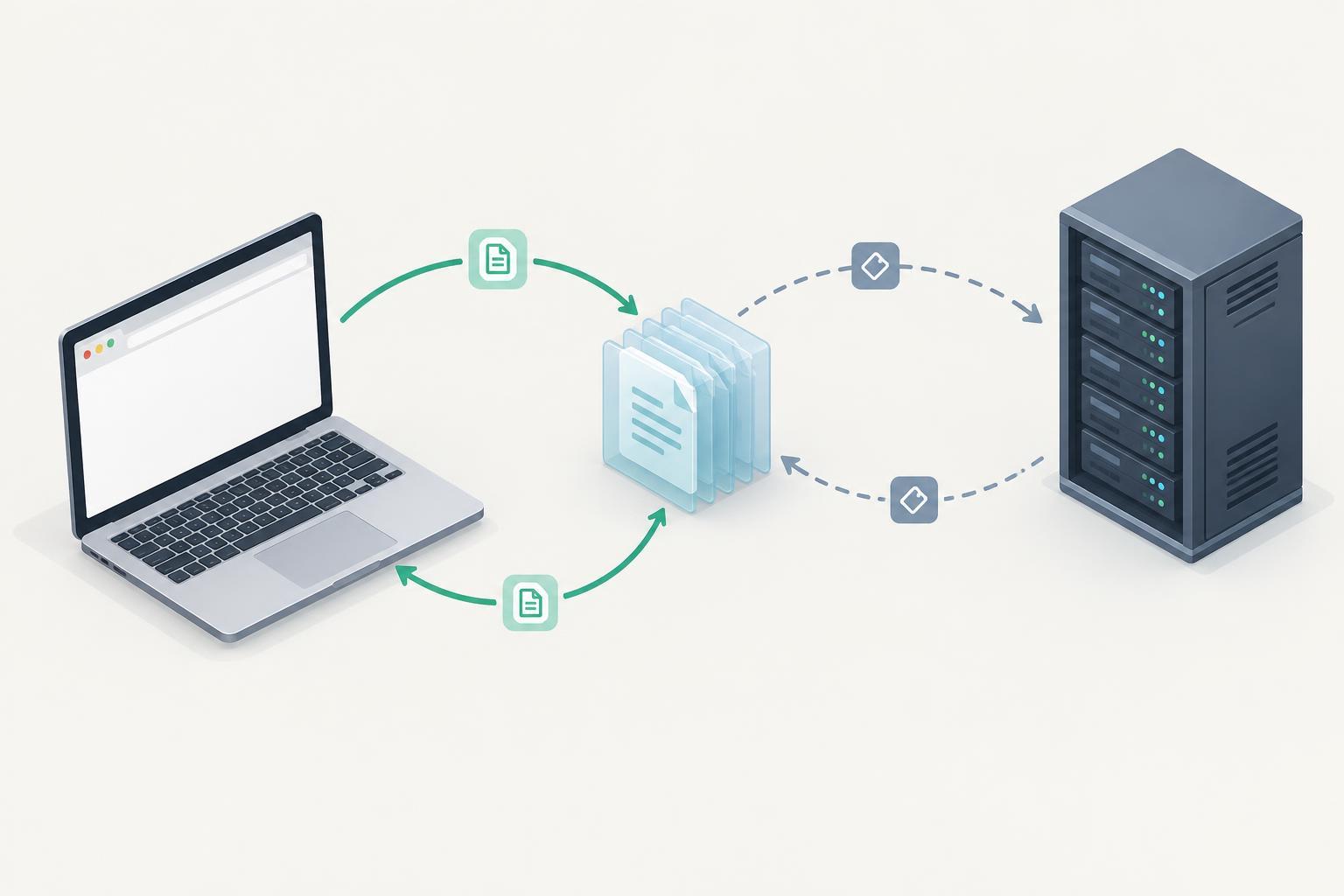
Web PerformanceBrowser caching can make repeat visits faster by reusing responses instead of downloading them again. Learn how Cache-Control sets reuse rules, how ETags support conditional requests, and when a browser must revalidate a stored response.
Read article · 4 min↗

Web PerformanceA browser network waterfall shows when a page requests resources and how long each request takes. Learn to identify the page’s critical requests, interpret timing phases, and turn the chart into a practical performance investigation.
Read article · 4 min↗

Web PerformanceA fast lab test does not guarantee a fast experience for every visitor. Learn what controlled lab tests and real-user monitoring each measure, where their blind spots lie, and how to use both to diagnose and verify performance improvements.
Read article · 4 min↗

Web PerformanceCore Web Vitals describe three parts of the page experience: how quickly the main content appears, how promptly the page responds to input, and how stable the layout feels. Learn what each metric measures, what can affect it, and how to investigate improvements.
Read article · 4 min↗

Web PerformanceA page load is a chain of network requests and browser decisions, not a single download. Follow a navigation from URL lookup and server response through HTML parsing, resource loading, layout, painting, and compositing—and learn where delays can appear.
Read article · 4 min↗